Introduction
A first order can pass inspection and still create problems when a replacement batch arrives a year later. Dumbbells may have a different handle contour, rubber shade, odor, logo depth, or head diameter. Plates may differ in profile, center fit, color, lettering, hardness, or surface texture. The new units may be usable on their own yet look wrong beside the installed set or fail to fit existing racks and storage.
Batch consistency is not achieved by writing “same as last order” on a purchase order. It requires controlled specifications, approved references, retained records, supplier change notification, production verification, and a realistic understanding of which characteristics can vary. This matters to gym chains, distributors, importers, and private-label brands that promise a stable product family.
Quick Answer
Build every reorder from a controlled product specification and approved sample, not memory or catalog photos. Identify critical-to-quality characteristics, lock drawings, materials, tolerances, colors, logo artwork, packaging, and test methods, then require written approval before changes to mold, tooling, compound, pigment, insert, finish, component source, or process.
At reorder kickoff, compare the new pre-production sample with retained references and current needs. During production and pre-shipment inspection, measure both functional and visual points across the batch. Record results by lot and keep replacement stock for characteristics that cannot be perfectly reproduced indefinitely.
Definition: what batch consistency means
Batch consistency means later production remains within the approved functional, dimensional, visual, labeling, and packaging limits for the same SKU. It does not mean every unit is microscopically identical. Materials, processes, instruments, and perceptions have variation; the commercial task is to define which variation is acceptable.
There are two comparisons: units within one batch and the new batch against earlier approved production. A batch can be internally uniform but different from the original. Both comparisons must be included in the control plan.
Why repeat orders drift
Drift can result from worn or replaced molds, revised machining, alternative raw materials, compound or pigment adjustments, a new component supplier, different curing conditions, new operators, updated artwork, packaging substitution, or process improvements. Some changes are intentional; others arise from uncontrolled interpretation of an incomplete specification.
Long gaps increase risk because staff, tooling, materials, regulations, and commercial priorities change. High-volume products may also use multiple molds or lines. Ask which changes occurred since the last order and require the supplier to identify them before sampling.
Create a controlled product specification
Assign each SKU a revision-controlled specification. Include drawings and tolerances, nominal weight, center or handle dimensions, overall profile, material and coating system, hardness when relevant, surface and color requirements, logo file and method, markings, performance tests, packaging, labels, and acceptance criteria.
Avoid vague terms such as “premium rubber,” “same red,” or “comfortable handle.” Replace them with a recognized material declaration, approved color reference and range, dimension, surface master, or documented evaluation. Note the measurement instrument, location, conditioning, and sample size where these affect results.
The purchase order should cite the specification revision. If sales requests a change, issue a new revision rather than modifying an email attachment without traceability.
Use golden samples correctly
A golden sample is a signed and dated physical reference approved by buyer and supplier. It helps judge shape, surface, color, logo, assembly, and packaging that drawings cannot fully communicate. Ideally, both sides retain protected samples with matching identification.
Physical samples age. Rubber and colors may change with light, heat, dust, cleaning, or oxidation. Store samples in controlled conditions and do not use a worn showroom unit as the only reference. Pair the sample with numerical specifications, photos under defined lighting, and records from the original lot.
For large or costly products, retain representative components, color plaques, handle samples, inserts, and high-resolution reference images when a complete unit is impractical.
Control color and surface appearance
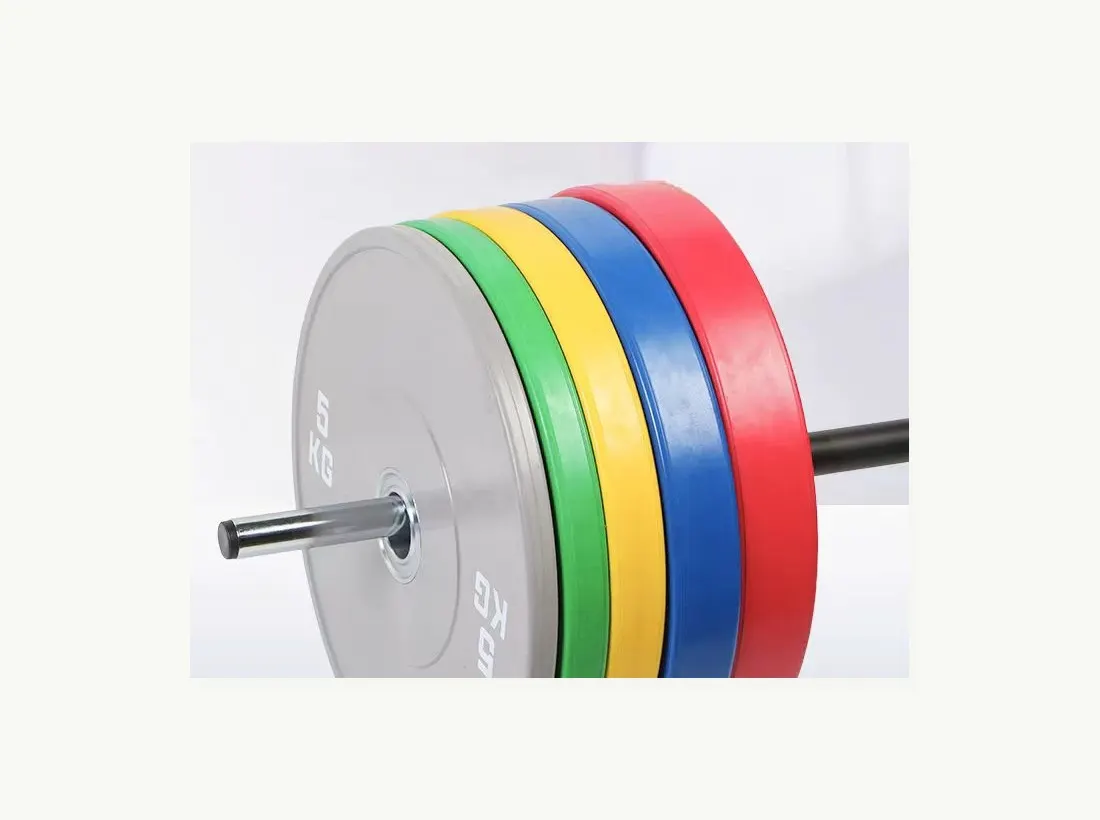
Color is a common source of complaints because human perception changes with lighting, gloss, texture, adjacent products, and viewing angle. A numeric color target alone may not capture a textured rubber surface. Approve material-specific plaques or production samples and define the viewing condition.
State whether small shade variation within a set is allowed and whether new replacements must visually match aged installed equipment or the original master. Perfect matching to a product that has spent years under light and cleaning may be impossible. Explain this limitation in replacement policies.
Surface criteria should cover gloss, texture, bloom, flow marks, trim, parting lines, scuffs, chips, print, and exposed metal. Use defect photographs with acceptable and reject examples.
Maintain dimensions and equipment compatibility
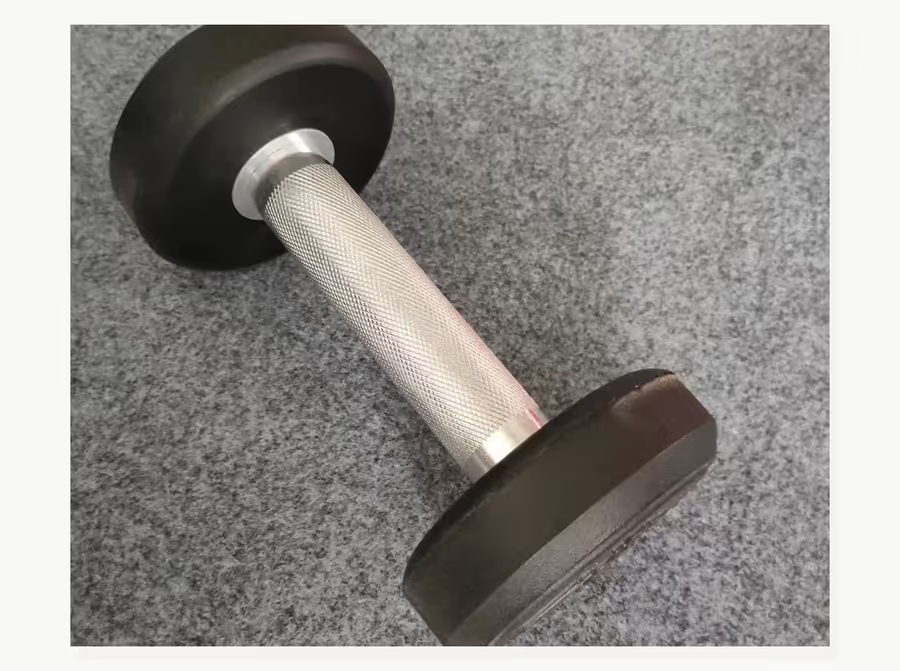
Replacements must fit existing bars, machines, racks, trays, and storage. For dumbbells, control total length, head diameter, head width, handle length, grip diameter, knurl or contour, and head alignment. For plates, control outside diameter, thickness, center hole or insert, grip openings, and flatness.
Nominal weight tolerance must remain aligned with the product claim. Verify scales and gauges and define measurement temperature or conditioning when material expansion matters. If tooling is repaired or replaced, perform first-article approval before releasing the lot.
Manage materials and supplier changes
The buyer may not need a proprietary formula, but the contract should define relevant material type, restricted substances or compliance documents, hardness or performance ranges where applicable, and change-notification requirements. An unapproved “equivalent” compound can change color, odor, abrasion, rebound, adhesion, or aging.
Require notification for raw-material source, pigment, additive, metal grade, plating, insert supplier, adhesive, packaging material, mold, line, plant, or significant process change. Decide which changes require documents, sample approval, testing, or a new pilot lot.
Change control should not prevent legitimate improvement. It makes the impact visible so buyer and supplier can approve it based on evidence.
Reorder kickoff and pre-production approval
Start with a gap review: last purchase order, specification revision, inspection report, claims, corrective actions, remaining stock, desired quantity, and changes in the destination market. Confirm whether the same tooling and production site are available.
Request a pre-production sample when the interval is long, a critical component changed, the original had issues, or visual matching is important. Compare it side by side with protected references. Record approval with dated photos and measured results. Do not let schedule pressure convert a rejected difference into an undocumented exception.
Inspection strategy for repeat batches
Incoming materials, first article, in-process checks, and pre-shipment inspection serve different purposes. First-article approval catches setup errors before full output. In-process checks monitor drift among molds, cavities, shifts, and production days. Final inspection verifies quantity, workmanship, measurements, markings, packaging, and selected tests.
Sample across the beginning, middle, and end of production and across active molds or lines. Compare new units with the current approved reference, not only with one another. Record actual values rather than writing “pass” when trend data would help.
If a characteristic is critical to safety, fit, regulatory compliance, or a published claim, use an inspection level and control method appropriate to its risk. Qualified quality professionals should set sampling and acceptance plans.
Comparison of weak and controlled reorders
| Reorder element | Weak approach | Controlled approach |
|---|---|---|
| Requirement | “Same as before” | Revision-controlled specification |
| Visual reference | Old website photo | Protected golden sample and criteria |
| Changes | Discovered after delivery | Written notification and approval |
| Sample | Skipped to save time | Risk-based pre-production approval |
| Inspection | Random final look | First article, process, and final checks |
| Records | Email fragments | SKU and batch history |
| Replacements | Ordered only after shortage | Planned spare and lifecycle policy |
Records and a batch history file
Maintain a file for each SKU with approved revisions, drawings, artwork, material declarations, color references, samples, purchase orders, production dates, batch codes, inspection results, test reports, photos, claims, corrective actions, and approved deviations. Link any serial, carton, or lot identifiers to the records.
Review trends rather than isolated passes. A dimension moving toward its limit or a growing cosmetic defect rate may signal mold wear or process drift. Early discussion is cheaper than a rejected shipment.
Spare stock and lifecycle planning
Some visual differences become unavoidable when material systems, regulations, tooling, or suppliers change. Keep spare quantities for high-use weights, parts, inserts, labels, and branded components based on failure and sales data. For project installations, agree how long the supplier intends to support the design.
Avoid promising indefinite perfect color matching. Establish a lifecycle rule: exact replacement while controlled stock lasts, closest approved match after an agreed change, or replacement by zone or set when appearance is critical. Communicate the policy to sales and customers.
Buyer checklist
- Assign stable SKU codes and a revision-controlled specification.
- Define critical function, fit, appearance, compliance, and packaging points.
- Retain protected golden samples and numerical records on both sides.
- Lock artwork, color references, markings, and approved claims.
- Require written notification for material, supplier, tooling, plant, or process changes.
- Review previous inspections, claims, deviations, and corrective actions at kickoff.
- Approve pre-production samples when risk or time interval justifies it.
- Inspect across molds, lines, shifts, and production stages.
- Compare the new batch against both specification and retained reference.
- Keep batch records, trend actual measurements, and track defects.
- Plan spare stock and define a realistic product lifecycle policy.
Frequently Asked Questions
Can a supplier guarantee that every reorder is visually identical?
Absolute identity is unrealistic. The supplier can control production within agreed ranges, references, and change procedures. Aging of installed products also affects comparison.
Is a catalog photo enough to match an old dumbbell?
No. Lighting and screens distort color and scale, while photos do not capture dimensions, surface, hardness, odor, or fit. Use specifications and retained samples.
When is a new sample necessary for a repeat order?
Use one after a long interval, tooling or material change, quality issue, design revision, new factory line, or whenever visual matching is commercially important.
What should be measured on replacement plates?
At minimum, verify weight, diameter, thickness, center fit, relevant grip geometry, markings, surface, color, and packaging against the controlled model.
How much spare stock should a gym chain hold?
Base it on installed quantity, usage, failure history, lead time, demand variability, and visual matching risk. High-use weights usually justify more coverage.
Conclusion
Repeatability is an ongoing quality system, not a sentence on a purchase order. Preserve the product definition, make changes visible, compare new production with reliable references, and keep evidence by SKU and batch. Review pre-shipment inspection, manufacturing capabilities, OEM factory evaluation, and plan a controlled reorder.