Introduction
Finding an OEM gym equipment factory in China is not difficult. Finding the right factory for your product category, market, quality level, communication style, and delivery schedule is much harder. For buyers sourcing dumbbells, weight plates, bumper plates, racks, benches, and gym accessories, the supplier decision can affect product quality, brand reputation, shipment timing, and customer satisfaction.
Many overseas buyers start with price. Price is important, but it should not be the only evaluation point. A low quotation may become expensive if the product finish is inconsistent, packaging fails during shipment, logo details are wrong, or production communication is unclear.
This guide explains how to evaluate a China gym equipment manufacturer before placing a free weight order. It focuses on factory capability, product specialization, OEM customization, sample confirmation, quality control, packaging, shipment inspection, and communication.
1. Confirm Whether the Factory Specializes in Your Product Category
The first question is simple: does the factory regularly produce the products you want to buy?
For a free weight order, the factory should understand:
- Dumbbells
- Rubber dumbbells
- Chrome dumbbells
- Hex dumbbells
- Weight plates
- Bumper plates
- Barbells
- Racks and benches
- Gym accessories
A factory that understands free weights can discuss weight tolerance, handle design, rubber smell, surface treatment, plate center hole fit, packaging strength, and container loading. A general trading company may not be able to answer these details clearly.
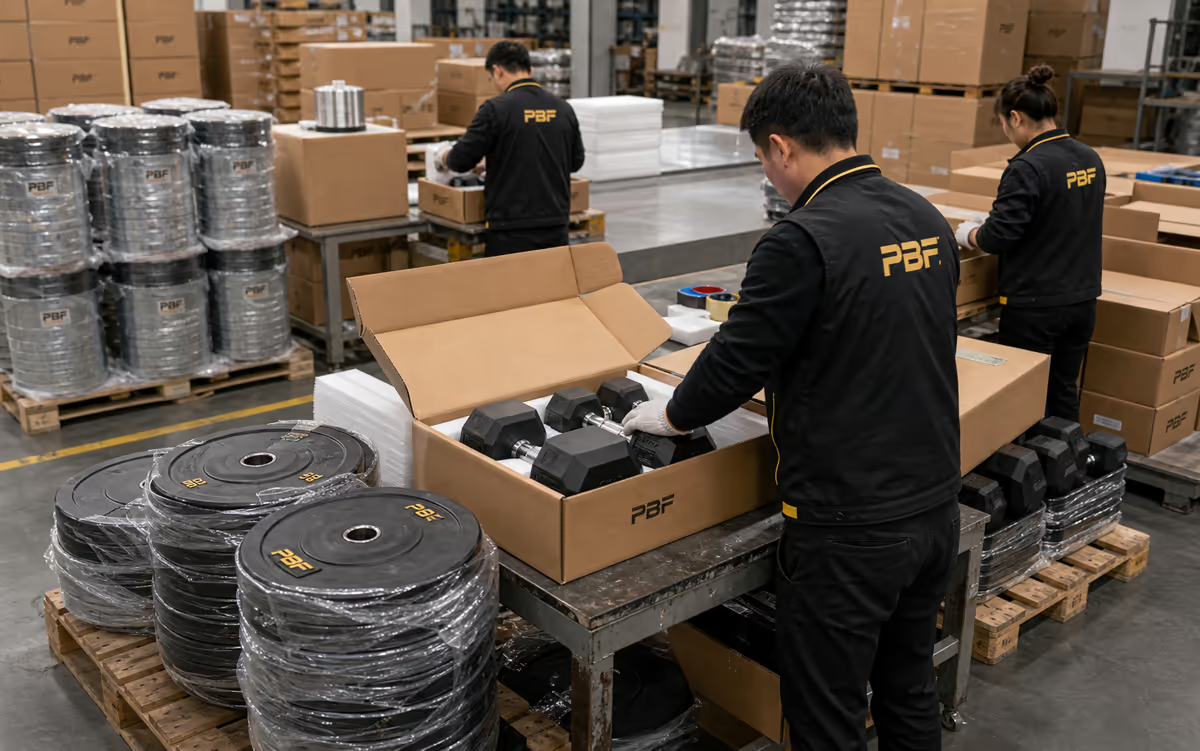
Ask for product photos, production photos, packaging photos, and recent project examples. The goal is not to collect attractive images only. The goal is to confirm that the supplier has real experience with similar products and applications.
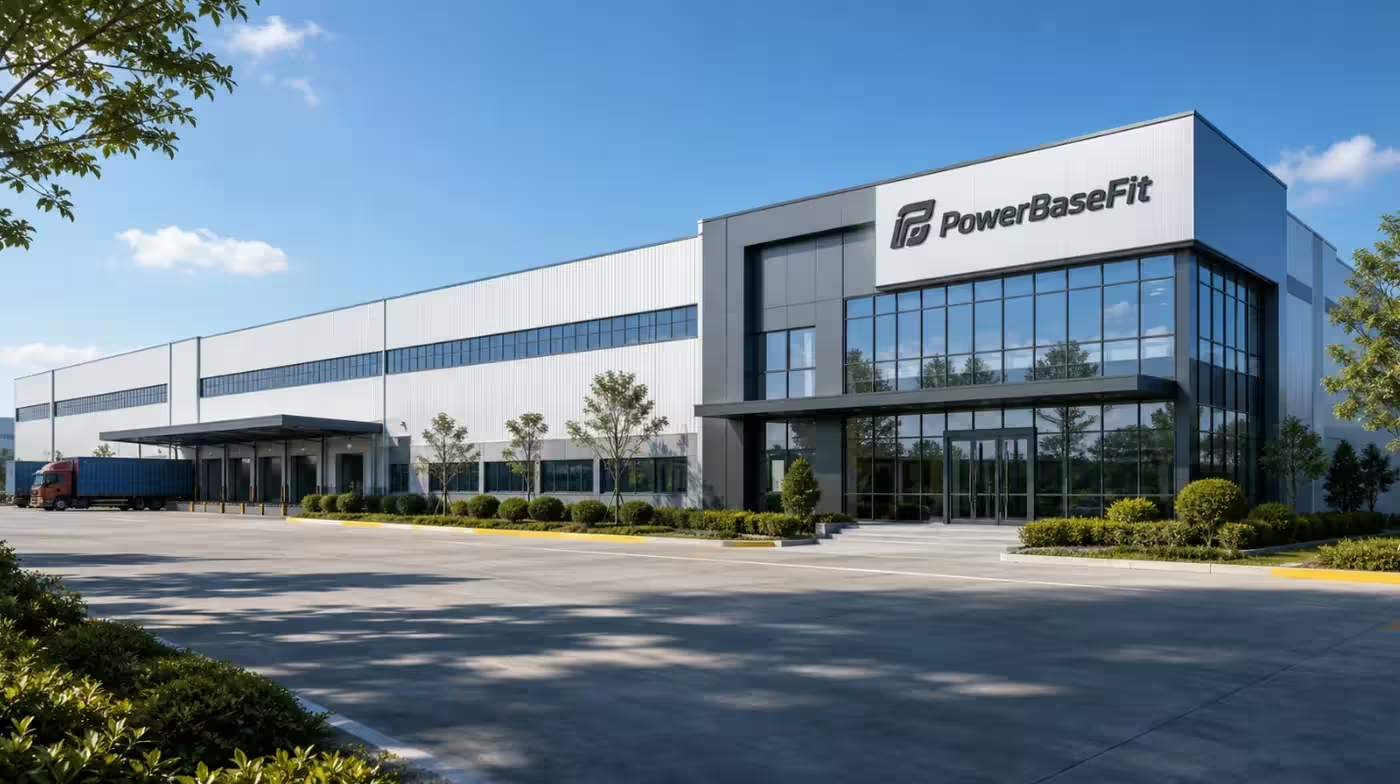
2. Review Factory Capability and Production Flow
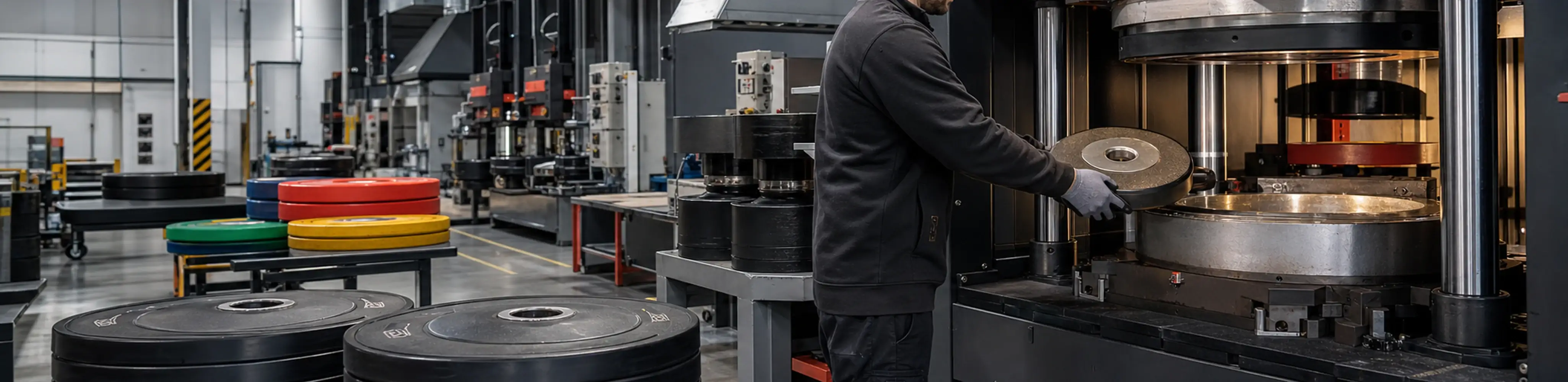
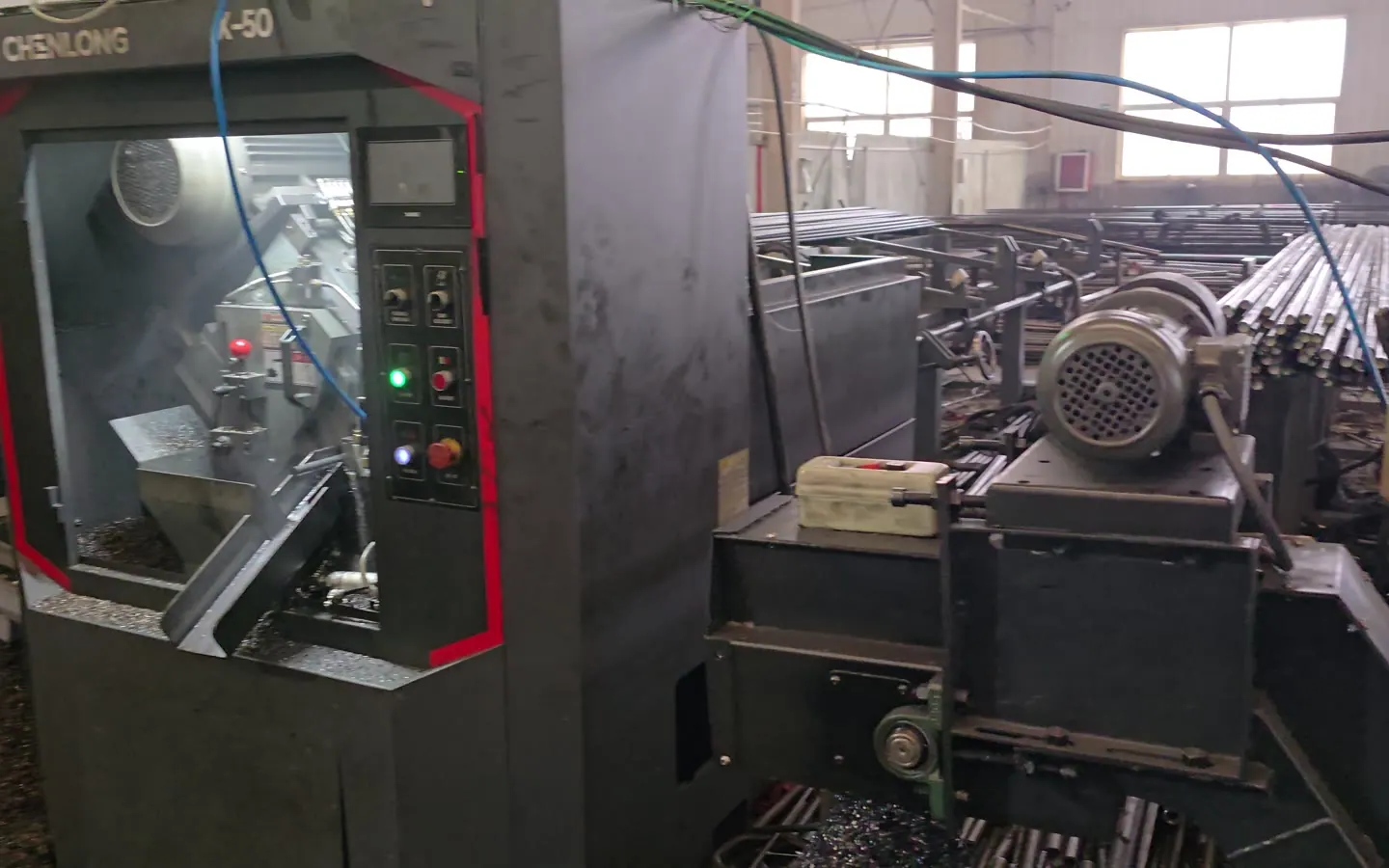
A reliable gym equipment manufacturer should be able to explain its production flow in practical terms. For free weights, the process may include raw material selection, machining, molding, surface treatment, assembly, logo work, inspection, packaging, and shipment preparation.
Important factory capability questions:
- What products are produced in-house?
- What production steps are outsourced, if any?
- What is the normal monthly capacity?
- Can the factory handle mixed container orders?
- What is the usual lead time for standard products?
- What changes when OEM customization is required?
Buyers should be careful with vague answers. A factory does not need to reveal every internal detail, but it should be able to explain what happens before mass production, during production, and before shipment.
3. Check OEM and Private Label Support
OEM support is more than adding a logo. For a private label gym equipment brand, the factory may need to support product consistency, packaging, catalog planning, and repeat order stability.
Common OEM options include:
- Custom logo on dumbbells
- Custom logo on weight plates
- End cap design
- Molded markings
- Handle finish or color
- Product labels
- Carton marks
- Packaging design
- Mixed product line planning
Before placing an OEM order, confirm whether customization requires tooling, artwork approval, sample confirmation, or MOQ adjustment. A professional supplier should explain these points before production starts.
For custom logo gym equipment, the buyer should prepare vector logo files, preferred placement, color requirements, and packaging references. Good preparation reduces mistakes.
4. Ask About Sample Confirmation
Samples are important when the buyer is developing a new product, testing a new supplier, or confirming a private label design. A sample cannot prove everything about mass production, but it helps confirm key details.
For free weight samples, check:
- Weight accuracy
- Finish quality
- Logo placement
- Color consistency
- Handle feel
- Rubber smell
- Plate center hole fit
- Packaging method
If the sample is approved, keep clear records. Sample photos, videos, and written confirmation help both sides understand what standard should be followed during mass production.
For a large project, buyers can also request pre-production samples or production sample confirmation before full batch completion.
5. Evaluate Quality Control System
A factory quality control system should be specific to the product. For dumbbells and plates, useful inspection points include weight accuracy, product dimensions, surface finish, markings, handle connection, rubber coating, insert stability, packaging, and shipment condition.
Ask the supplier:
- What is checked before packaging?
- Are random inspections done by batch?
- Can the factory provide inspection photos or videos?
- How are defective products handled?
- Can packaging be checked before container loading?
Quality control does not need to sound complicated. It needs to be clear, repeatable, and connected to the buyer's product requirements.
For example, chrome dumbbells require careful surface inspection and packaging protection. Bumper plates require attention to insert stability and durability. Rubber-coated plates require coating and smell checks. Each product type has different risks.
6. Review Packaging and Shipment Inspection
Many free weight products are heavy. A product may pass factory inspection but still arrive damaged if packaging is weak. Packaging should be discussed early, especially for export orders.
Packaging questions:
- What carton strength is used?
- Is inner protection included?
- Are pallets available?
- How are chrome surfaces protected?
- Are carton labels customized?
- Can the factory provide packing photos?
- Can container loading photos be provided?
Shipment inspection should confirm product quantity, carton condition, pallet arrangement, shipping marks, and loading sequence. If the buyer has a gym opening date, delivery timing should be discussed early.
For mixed container orders, packing and loading planning becomes more important because dumbbells, plates, racks, benches, and accessories may have different sizes and weights.
7. Check Communication Quality
Communication quality is a major part of supplier evaluation. A factory may have good products, but unclear communication can create delays and mistakes.
Good communication includes:
- Clear quotation structure
- Product specification confirmation
- Fast response to key questions
- Production timeline updates
- Photo or video updates when needed
- Honest explanation of limitations
- Clear export documentation support
Buyers should notice whether the supplier asks useful questions. A serious factory will often ask about target market, quantity, product application, logo needs, packaging, and destination country. These questions help prepare an accurate quotation.
8. Compare Price With Total Value
The lowest price is not always the best sourcing decision. Buyers should compare total value:
- Product quality
- Customization support
- Packaging
- Communication
- Lead time
- Repeat order stability
- Inspection support
- Shipment preparation
A small difference in unit price may be less important than avoiding shipment damage, wrong logo placement, or delayed delivery. For distributors and OEM brands, stable supply is often more valuable than a one-time low price.
9. Prepare a Professional RFQ
A clear RFQ helps the factory quote quickly and accurately. Include:
- Product category
- Weight range or size
- Quantity
- Target market
- Logo requirement
- Packaging requirement
- Destination country
- Expected delivery time
- Sample requirement
- Any certification or documentation needs
If you are planning a full gym solution, include layout information, product list, and installation schedule. If you are building a private label brand, include design references and expected annual order volume.
10. Red Flags When Evaluating a Supplier
Not every supplier problem is visible at the beginning. Buyers should watch for small warning signs during early communication. These signs do not always mean the supplier is unreliable, but they should encourage the buyer to ask more questions before sending a deposit.
Common red flags include:
- The supplier cannot explain product specifications clearly.
- The quotation is much lower than other factories without a clear reason.
- Product photos look inconsistent across the catalog.
- The supplier avoids sample confirmation.
- Packaging details are not discussed.
- Lead time is promised too quickly for a complex OEM order.
- The supplier says every customization is easy without checking artwork or quantity.
- Inspection photos are refused or delayed without explanation.
For free weight products, the buyer should be especially careful when the supplier does not discuss packaging. Dumbbells and plates are heavy products. Export packaging affects damage rate, customer complaints, and replacement cost. If the supplier only talks about product price and ignores packing details, the buyer may face problems after shipment.
Another red flag is unclear logo confirmation. For private label gym equipment, the logo is part of the product value. Buyers should confirm logo size, position, color, method, and sample appearance before mass production.
11. How to Compare Two Similar Factory Quotations
Many buyers receive several quotations that look similar at first glance. The best way to compare them is to build a simple table. Do not compare only the unit price. Compare what is included.
Useful comparison points:
- Product material and finish
- Weight tolerance
- Logo method
- Packaging level
- MOQ
- Sample cost and sample time
- Production lead time
- Payment terms
- Shipment support
- Inspection support
- Communication speed
- Repeat order stability
For example, one quotation may include stronger cartons and pallet packing while another only includes basic carton packing. One supplier may include custom logo confirmation while another may charge later. One factory may have faster communication and clearer sample photos. These differences affect total sourcing value.
When the product will carry your brand, reliable execution matters as much as the initial price.
12. What a Good Factory Response Should Look Like
A useful factory response should be specific. After receiving your RFQ, the factory should confirm product type, quantity, logo requirement, packaging, destination country, and whether samples are needed. If important information is missing, the supplier should ask questions instead of guessing.
A professional response may include:
- Product recommendation based on application
- Quotation by item and quantity
- MOQ explanation
- Lead time estimate
- OEM process explanation
- Packaging suggestion
- Sample option
- Shipping direction or loading suggestion
This kind of response gives buyers confidence because it shows the factory understands the order as a project, not just a product list.
Mid-Article CTA
If you are evaluating free weight suppliers in China, send your product list and requirements to PowerBaseFit. We can help review product options, OEM details, packaging direction, and quotation structure.
Ask for Factory Evaluation SupportFAQ
How do I know if a gym equipment factory is real?
Ask for factory photos, production videos, product samples, recent project references, inspection process details, and clear product specifications. A real factory should be able to discuss production and quality control in practical terms.
What should I confirm before placing an OEM order?
Confirm logo method, product specifications, sample approval, packaging, MOQ, lead time, payment terms, and shipment inspection. Keep written confirmation for important details.
Is a trading company always bad?
Not always. Some trading companies provide useful service. However, if you need deep OEM customization and long-term product development, direct factory communication can reduce confusion and improve technical clarity.
How important are samples?
Samples are important for checking finish, weight, logo, packaging, and user experience. They are especially useful for new suppliers, new products, or private label orders.
What should be inspected before shipment?
Check product quantity, finish, weight marking, logo, packaging, carton labels, pallet condition, and container loading. Shipment inspection reduces the risk of receiving damaged or incorrect products.
Conclusion
Evaluating an OEM gym equipment factory in China requires more than comparing prices. Serious buyers should check product specialization, production capability, OEM support, sample process, quality control, packaging, shipment inspection, and communication.
For free weight products, these details matter because the products are heavy, used frequently, and often connected to a buyer's brand reputation. A reliable factory should help buyers make practical sourcing decisions, not only send a price list.
Final CTA
Looking for a free weight manufacturer for dumbbells, weight plates, bumper plates, or OEM gym equipment? Send your product list, logo needs, quantity, and destination country to PowerBaseFit. We will help prepare a clear factory quotation.
Send Your OEM Requirements