Introduction
Dumbbells and weight plates are dense, heavy products with finished surfaces, readable markings, and strict quantity requirements. Export packaging must keep them restrained through handling, warehousing, inland transport, ocean or air freight, customs examination, and final delivery. A carton that looks neat in a sample room can still split, deform, rub the finish, trap moisture, or become unsafe to lift.
Packaging should therefore be part of the approved product specification. Importers and brands need to define unit protection, inner separation, carton strength, gross-weight limits, pallet pattern, moisture controls, labels, container loading, inspection, and claim evidence before mass production.
Quick Answer
Use a packaging system designed around the exact item weight, shape, surface, route, handling method, climate, customer requirement, and destination rules. Restrain the product so it cannot move, separate finished surfaces, protect edges and inserts, keep each manual-handling unit within an agreed gross weight, and use pallets or crates where the route requires them.
Approve a packed sample and packing specification. Verify carton dimensions, materials, closures, labels, unit count, net and gross weight, pallet layout, container distribution, moisture plan, tests, and loading photos. Do not rely on “standard export packing” as a complete requirement.
Definition: a packaging system, not a box
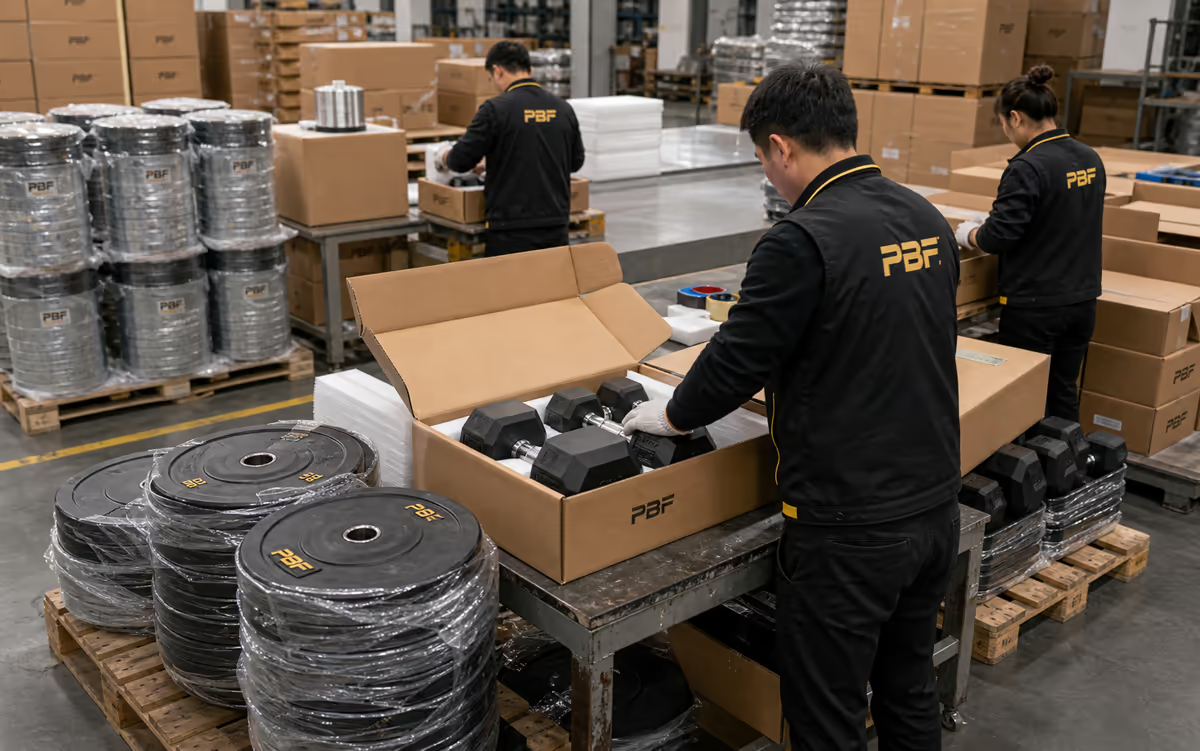
Export packaging includes the direct product wrap, separators, bags, sleeves, molded supports, cartons, tape or straps, pallet or crate, corner protection, stretch wrap, labels, documents, moisture controls, and loading method. Every layer has a purpose and must work with the others.
The same dumbbell may need different packing for parcel fulfillment, pallet distribution, or a mixed container. The destination may also regulate wood packaging, recycling marks, language, warnings, or maximum handling weights. Buyer and supplier should confirm applicable requirements with qualified logistics and compliance providers.
Start with the distribution route
Map how many times the goods will be handled and by whom. A full-container load delivered to one warehouse has different risks from less-than-container freight transferred through multiple hubs. E-commerce parcels face conveyor drops; project deliveries may face outdoor storage; remote markets may have long dwell times and rough roads.
Record factory pickup, consolidation, port, shipping mode, destination handling, warehouse equipment, and final-mile method. Define whether cartons are sold as retail packs or opened by a distributor. This route determines the balance among individual cartons, master cartons, pallets, crates, and reusable handling aids.
Protect the product surface
Rubber, urethane, chrome, paint, and powder coating have different sensitivities. Surfaces can scuff when units vibrate against one another. Printed or inlaid logos can transfer marks; metal edges can damage adjacent coatings. Packaging materials themselves can stain, stick, or leave impressions when heat and pressure rise.
Use compatible bags, sleeves, tissue, foam, cardboard separators, or molded supports as appropriate. Prevent handles, hubs, and plate edges from becoming concentrated load points. Approve contact materials on the actual finish and consider a warm-storage trial when the route may encounter high temperatures.
Restrain dense products
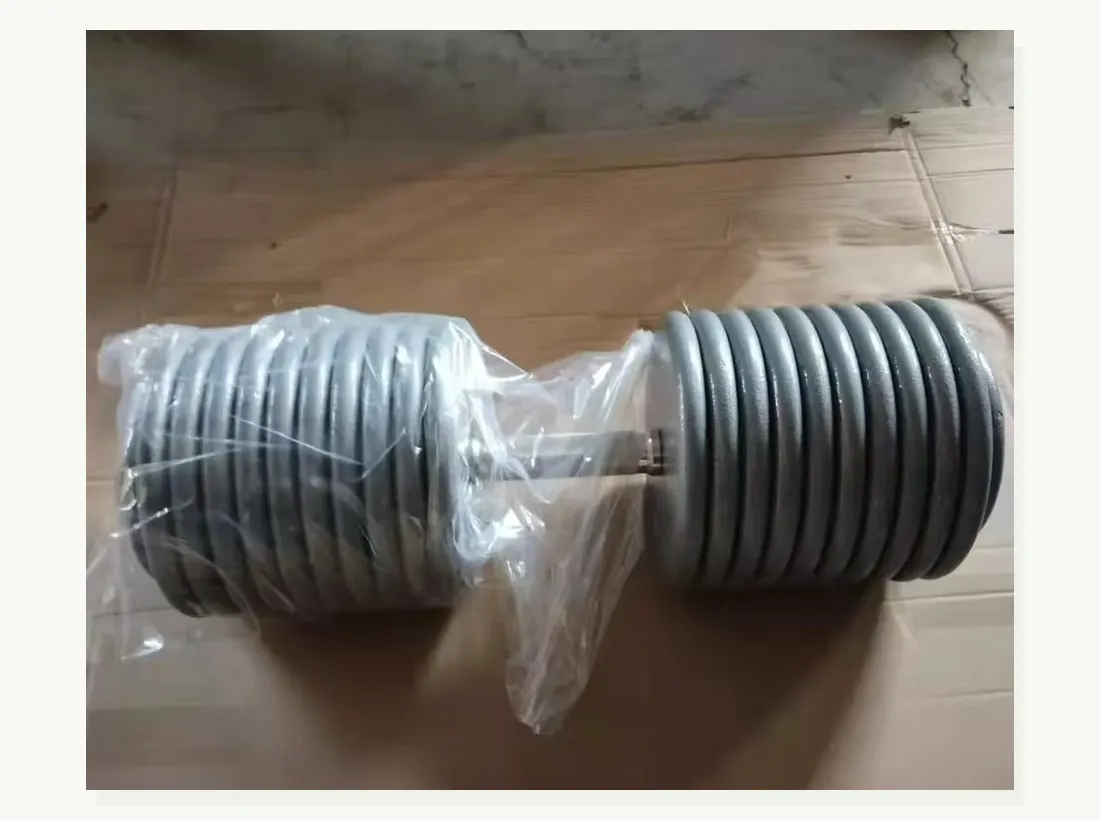
A free weight that moves inside a carton builds momentum and can break inserts, corners, tape, or walls. Fill empty space with structural supports rather than loose decorative material. The internal design should prevent movement in expected orientations.
For pairs, separate the two units and stop them from striking. For multiple plates, use a stable stack and protect faces, center inserts, and edges. If a single carton becomes too heavy, split the quantity. A smaller carton that handlers can control is often safer than a reinforced box exceeding practical limits.
Carton specification and gross weight
Specify board grade or performance, flute or wall construction, dimensions, closure, strap arrangement where used, and maximum gross weight. Carton strength depends on size, humidity, stacking duration, print coverage, openings, and manufacturing quality, not only a single certificate value.
Confirm net product weight, packaging tare, and gross weight. Label results accurately and define tolerances. Test the closure with the packed product. Staples, straps, and sharp ends must not create injury or product risks. Hand holes can weaken a box and require validation.
Pallets, crates, and load stability
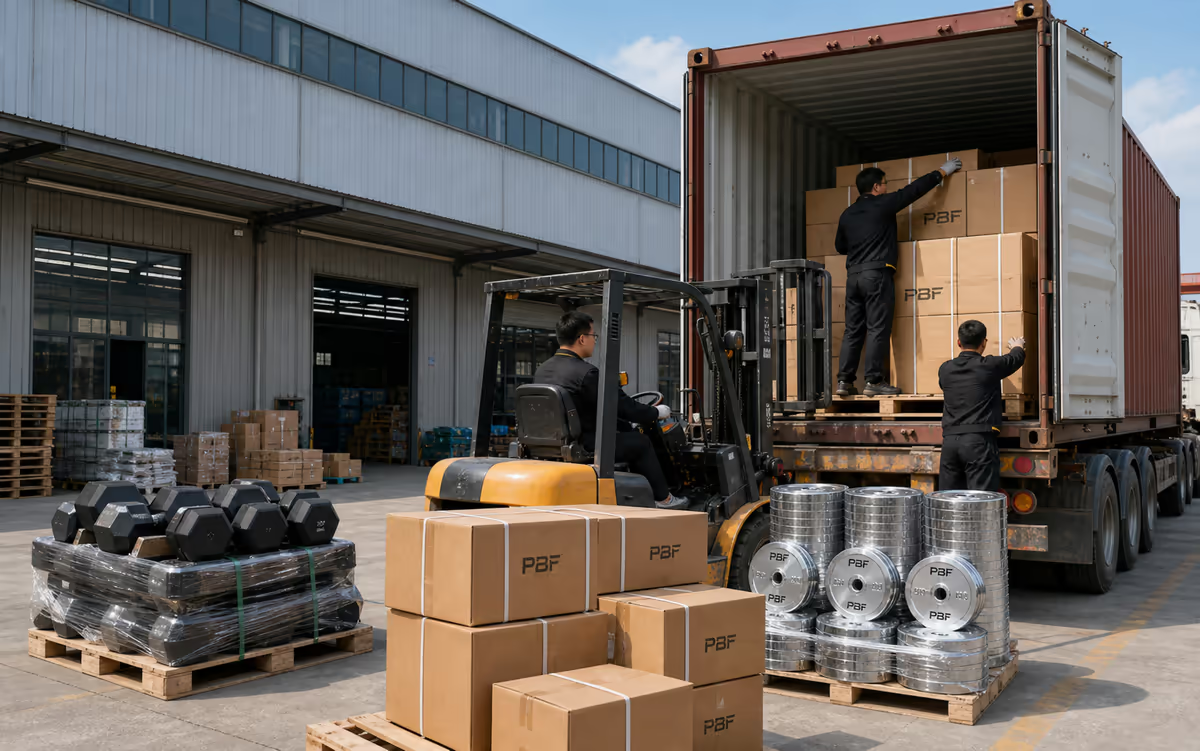
Pallets can reduce manual handling and consolidate cartons, but only when the footprint, deck, stacking pattern, height, weight, fork access, and restraint are suitable. Avoid unsupported carton overhang. Use corner boards, top boards, strapping, stretch wrap, or other controls without crushing products.
Wood materials may be subject to destination phytosanitary requirements. Confirm treatment, marks, documentation, and local rules before production. Alternative pallets also need load and handling validation. Record the approved pattern with layer diagrams and total pallet weight.
Moisture and corrosion planning
Ocean containers experience temperature changes and condensation risk. Moisture can affect cartons, labels, exposed metal, chrome, painted surfaces, inserts, and pallets. A desiccant is not a universal cure; quantity, placement, container condition, transit time, cargo moisture, ventilation, barrier bags, and sealing all matter.
Products should be dry and sufficiently conditioned before packing. Inspect the container for holes, odor, contamination, water, damaged seals, and unsuitable flooring. Use corrosion protection compatible with the finish where required and document the plan.
Labels and traceability
Each handling unit should carry agreed information such as SKU, product name, weight, quantity, net and gross weight, carton dimensions, purchase order, batch, country-of-origin marking where applicable, handling symbols, barcode, and destination label. Do not add claims or symbols without verifying their meaning.
Place labels where they remain visible on pallets and survive the route. Match physical labels to the packing list and commercial documents. Batch and carton numbering make shortages and damage easier to trace. For mixed containers, use a loading map.
Container loading
Heavy fitness products can reach weight limits before filling container volume. The logistics provider must check permitted payload, axle and road constraints, floor loading, weight distribution, container condition, and securing method. Do not concentrate dense cargo without an approved load plan.
Load stable units, eliminate dangerous gaps, protect doors, and use suitable blocking or restraint. Keep heavier cargo appropriately positioned and ensure unloading is planned. Count during loading, record pallet or carton sequence, photograph stages, and capture the seal number.
Packaging validation and tests
Tests should reflect actual distribution. Depending on product and route, validation may include packed drop, vibration, compression or stack, inclined impact, clamp handling, high humidity, temperature conditioning, abrasion, label adhesion, and pallet stability. Standards and lab programs should be selected by qualified parties for the intended market.
A test report is useful only when the tested sample, packaging materials, product weight, conditioning, sequence, acceptance criteria, and final design match production. If carton size, board, supplier, tape, internal support, or pallet pattern changes, determine whether revalidation is necessary.
Packaging format comparison
| Format | Best fit | Main control point |
|---|---|---|
| Individual carton | Parcel or flexible warehouse picking | Gross weight and internal restraint |
| Pair or multi-unit carton | Efficient wholesale handling | Separation and safe manual handling |
| Palletized cartons | Warehouse and container distribution | Stack pattern, overhang, and stability |
| Crate or reinforced base | High-risk route or special project | Load rating, access, and destination rules |
Pre-shipment packaging inspection
Inspect packaging materials before use and completed packs during production. Verify item and quantity, orientation, protection, closure, label, barcode readability, gross weight, dimensions, pallet pattern, restraint, and visible damage. Sample cartons from different production times.
Before loading, check counts against the order, packaging dryness, pallet condition, shipping marks, and documents. Use date-stamped photos that show representative open cartons, closed cartons, labels, pallets, empty container condition, loading stages, doors, and seal.
Cost decisions without false economy
Reducing board, supports, straps, or pallets may lower ex-factory cost while increasing damage, labor, claims, unsafe handling, and customer dissatisfaction. Excess packaging also increases cost and waste. Optimize against the complete route and damage data.
Compare packaging cost per saleable unit with historical damage rate, claim value, repacking labor, disposal, storage density, and brand impact. Standardize components across product families where safe, but do not force the same carton onto different weights.
Buyer checklist
- Map transport, transfers, storage, handling equipment, climate, and final delivery.
- Define unit count, orientation, surface protection, separation, and restraint.
- Set carton construction, dimensions, closure, and maximum gross weight.
- Approve pallet or crate material, footprint, pattern, height, and total weight.
- Confirm destination wood, marking, recycling, warning, and language rules.
- Establish moisture and corrosion controls for the route.
- Specify SKU, batch, weight, barcode, handling, and destination labels.
- Validate packed samples with route-relevant tests and acceptance criteria.
- Inspect completed packaging and container condition before loading.
- Retain specifications, material records, photos, counts, and seal details.
- Define the claim procedure and evidence needed for any transit damage.
Frequently Asked Questions
What is standard export packaging for dumbbells?
There is no single adequate standard. The design should match the exact dumbbell, finish, weight, quantity, route, handling method, destination, and customer requirements.
Should dumbbells be packed individually or in pairs?
Either can work if gross weight, restraint, separation, fulfillment, and customer handling are validated. Heavy pairs may be impractical or unsafe in one carton.
Are pallets always necessary for weight plates?
No, but pallets often help consolidate dense cartons. The decision depends on freight mode, transfers, warehouse equipment, destination, and load limits.
How can buyers reduce rust risk in a container?
Pack dry goods, protect exposed metal appropriately, inspect the container, manage moisture with a designed plan, and avoid relying on desiccant alone.
What evidence helps with a freight damage claim?
Approved packing specification, test records, inspection results, counts, dated packing and loading photos, seal data, delivery condition records, and prompt carrier notification are useful.
Conclusion
Reliable export packaging begins with the route and the product, then turns risk into approved materials, pack methods, labels, tests, inspections, and loading records. Treat packaging changes like product changes because they affect delivered quality. Review factory and packaging capabilities, the pre-shipment inspection workflow, OEM factory evaluation, and request a model-specific packaging proposal.