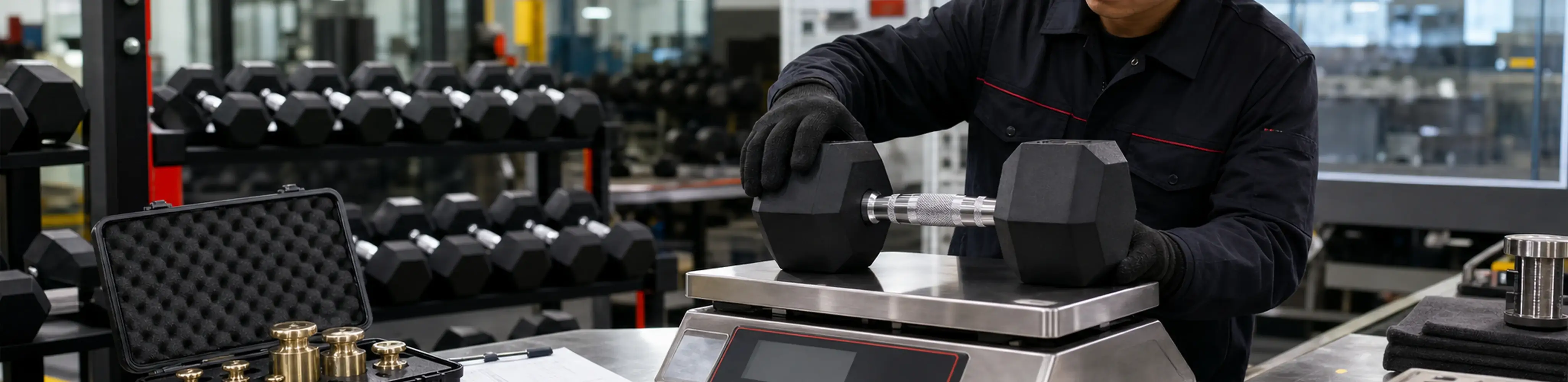
Quick answer
A commercial dumbbell routine should identify the material, use an approved cleaner, avoid prolonged chemical contact, dry metal and seams, inspect heads and handles, isolate questionable pieces and record replacements by model and weight. New-product odor is managed through planned unpacking and ventilation, not by masking it. Cracks, movement at the connection, sharp damage, unreadable markings or significant corrosion require assessment before the dumbbell returns to service.
Definition
Commercial dumbbell maintenance is the documented cycle of cleaning, inspection, isolation, corrective action and replacement used to keep a free weight range serviceable and consistent. It covers both visible surfaces and functional interfaces such as the handle, head connection, seams and weight identification.
Application and buyer context
A useful review of identifying rubber, PU, TPU, chrome and painted surfaces begins with the actual operating conditions for commercial dumbbell maintenance. Record who will use the product, how frequently it will be handled, where it will be stored and which result matters to the buyer. Ask for product-specific evidence rather than relying on a category name. Dimensions, materials, finish, markings, packaging and inspection criteria should refer to the same model and revision. If one detail remains open, show it as an assumption in the comparison instead of allowing each supplier to interpret it differently. This makes price, sample and delivery discussions easier to compare and gives the receiving team a clear reference.
Treat testing a cleaner on a small inconspicuous area as an operating decision, not a promotional claim about commercial dumbbell maintenance. Compare the same weight, configuration and intended use, then note what can be checked on a sample and what must be controlled during production. The responsible buyer should identify the evidence required, the person who approves it and the point at which approval is needed. A photograph can confirm appearance, but measurable features need a stated method and result. Keeping these items together prevents late changes from being hidden inside an updated quotation or informal message.
For commercial dumbbell maintenance, removing sweat and residue without soaking seams should be connected to users, space, cleaning routines, replenishment and the expected product position. Separate essential requirements from preferences and from details that are still unknown. Essential items become acceptance criteria; preferences can be evaluated against cost; unknowns receive an owner and deadline. This approach avoids choosing a product because one visible feature looks attractive while construction, compatibility, handling or packaging remains unclear. It also creates a practical record for a repeat order or a later addition to the same range.
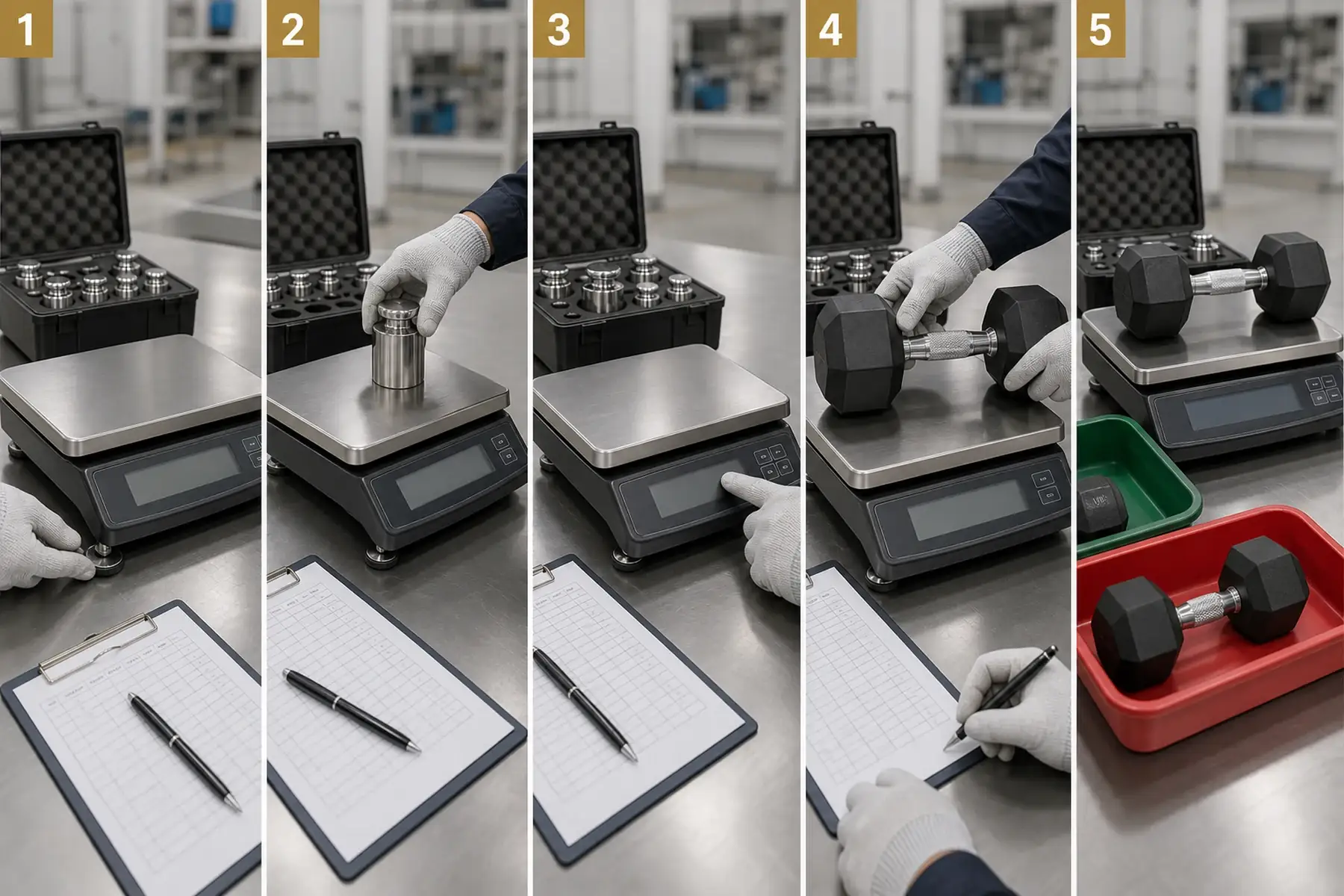
Comparison table
| Option or factor | Best fit | Verify before ordering |
|---|---|---|
| Routine wipe | Sweat and fresh surface residue | Cleaner compatibility and complete drying |
| Detailed inspection | Periodic condition review | Head, handle, connection, marking and weight |
| Isolation | Uncertain functional or surface condition | Named reviewer and documented decision |
| Replacement | Damage or inconsistency that cannot be accepted | Correct model, weight, dimensions and batch reference |
How to make the selection
Evaluate ventilating newly unpacked rubber products across the full route from sample to daily use of commercial dumbbell maintenance. Confirm the proposed specification, approve a representative sample where appropriate, define production checks, protect the relevant surfaces in packing and inspect the delivered batch against the approved record. The depth of control should match the commercial risk, quantity and degree of customization. No single checklist replaces product knowledge, but a consistent sequence exposes differences early and makes corrective action easier to agree before goods are shipped.
A useful review of drying knurling and metal before corrosion develops begins with the actual operating conditions for commercial dumbbell maintenance. Record who will use the product, how frequently it will be handled, where it will be stored and which result matters to the buyer. Ask for product-specific evidence rather than relying on a category name. Dimensions, materials, finish, markings, packaging and inspection criteria should refer to the same model and revision. If one detail remains open, show it as an assumption in the comparison instead of allowing each supplier to interpret it differently. This makes price, sample and delivery discussions easier to compare and gives the receiving team a clear reference.
Treat checking cracks, cuts, loose movement and sharp edges as an operating decision, not a promotional claim about commercial dumbbell maintenance. Compare the same weight, configuration and intended use, then note what can be checked on a sample and what must be controlled during production. The responsible buyer should identify the evidence required, the person who approves it and the point at which approval is needed. A photograph can confirm appearance, but measurable features need a stated method and result. Keeping these items together prevents late changes from being hidden inside an updated quotation or informal message.
Commercial use and maintenance
For commercial dumbbell maintenance, setting daily, weekly and periodic inspection levels should be connected to users, space, cleaning routines, replenishment and the expected product position. Separate essential requirements from preferences and from details that are still unknown. Essential items become acceptance criteria; preferences can be evaluated against cost; unknowns receive an owner and deadline. This approach avoids choosing a product because one visible feature looks attractive while construction, compatibility, handling or packaging remains unclear. It also creates a practical record for a repeat order or a later addition to the same range.
Evaluate isolating a questionable dumbbell from member access across the full route from sample to daily use of commercial dumbbell maintenance. Confirm the proposed specification, approve a representative sample where appropriate, define production checks, protect the relevant surfaces in packing and inspect the delivered batch against the approved record. The depth of control should match the commercial risk, quantity and degree of customization. No single checklist replaces product knowledge, but a consistent sequence exposes differences early and makes corrective action easier to agree before goods are shipped.
A useful review of recording model, weight, batch and observed condition begins with the actual operating conditions for commercial dumbbell maintenance. Record who will use the product, how frequently it will be handled, where it will be stored and which result matters to the buyer. Ask for product-specific evidence rather than relying on a category name. Dimensions, materials, finish, markings, packaging and inspection criteria should refer to the same model and revision. If one detail remains open, show it as an assumption in the comparison instead of allowing each supplier to interpret it differently. This makes price, sample and delivery discussions easier to compare and gives the receiving team a clear reference.
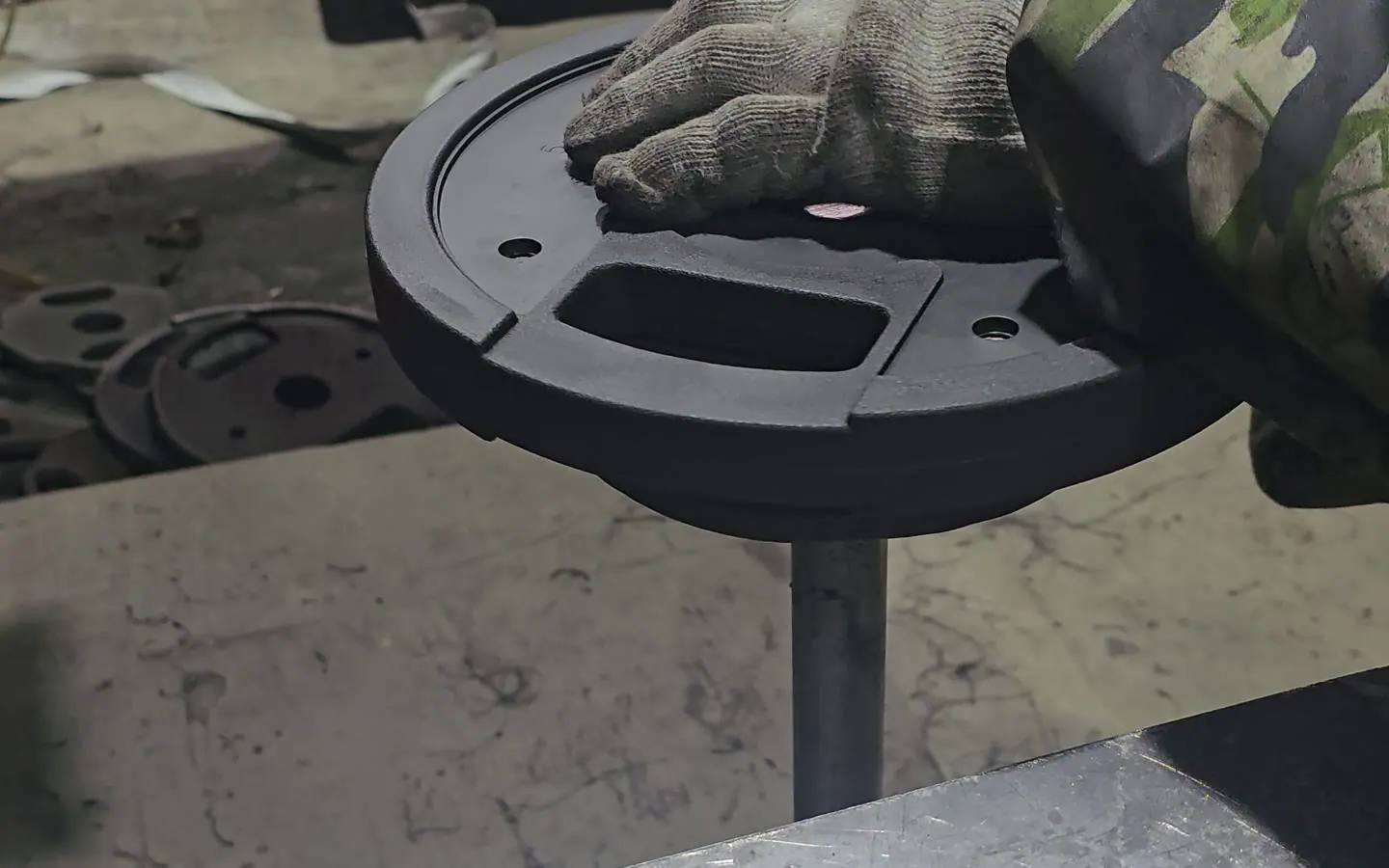
Quality control and purchasing evidence
Treat deciding between cleaning, monitoring and replacement as an operating decision, not a promotional claim about commercial dumbbell maintenance. Compare the same weight, configuration and intended use, then note what can be checked on a sample and what must be controlled during production. The responsible buyer should identify the evidence required, the person who approves it and the point at which approval is needed. A photograph can confirm appearance, but measurable features need a stated method and result. Keeping these items together prevents late changes from being hidden inside an updated quotation or informal message.
For commercial dumbbell maintenance, matching a replacement to the existing range should be connected to users, space, cleaning routines, replenishment and the expected product position. Separate essential requirements from preferences and from details that are still unknown. Essential items become acceptance criteria; preferences can be evaluated against cost; unknowns receive an owner and deadline. This approach avoids choosing a product because one visible feature looks attractive while construction, compatibility, handling or packaging remains unclear. It also creates a practical record for a repeat order or a later addition to the same range.
Evaluate feeding repeated faults back into purchasing criteria across the full route from sample to daily use of commercial dumbbell maintenance. Confirm the proposed specification, approve a representative sample where appropriate, define production checks, protect the relevant surfaces in packing and inspect the delivered batch against the approved record. The depth of control should match the commercial risk, quantity and degree of customization. No single checklist replaces product knowledge, but a consistent sequence exposes differences early and makes corrective action easier to agree before goods are shipped.
Turn the decision into a purchase record
Treat identifying rubber, PU, TPU, chrome and painted surfaces as an operating decision, not a promotional claim about commercial dumbbell maintenance. Compare the same weight, configuration and intended use, then note what can be checked on a sample and what must be controlled during production. The responsible buyer should identify the evidence required, the person who approves it and the point at which approval is needed. A photograph can confirm appearance, but measurable features need a stated method and result. Keeping these items together prevents late changes from being hidden inside an updated quotation or informal message.
For commercial dumbbell maintenance, checking cracks, cuts, loose movement and sharp edges should be connected to users, space, cleaning routines, replenishment and the expected product position. Separate essential requirements from preferences and from details that are still unknown. Essential items become acceptance criteria; preferences can be evaluated against cost; unknowns receive an owner and deadline. This approach avoids choosing a product because one visible feature looks attractive while construction, compatibility, handling or packaging remains unclear. It also creates a practical record for a repeat order or a later addition to the same range.
Evaluate matching a replacement to the existing range across the full route from sample to daily use of commercial dumbbell maintenance. Confirm the proposed specification, approve a representative sample where appropriate, define production checks, protect the relevant surfaces in packing and inspect the delivered batch against the approved record. The depth of control should match the commercial risk, quantity and degree of customization. No single checklist replaces product knowledge, but a consistent sequence exposes differences early and makes corrective action easier to agree before goods are shipped.
A useful review of feeding repeated faults back into purchasing criteria begins with the actual operating conditions for commercial dumbbell maintenance. Record who will use the product, how frequently it will be handled, where it will be stored and which result matters to the buyer. Ask for product-specific evidence rather than relying on a category name. Dimensions, materials, finish, markings, packaging and inspection criteria should refer to the same model and revision. If one detail remains open, show it as an assumption in the comparison instead of allowing each supplier to interpret it differently. This makes price, sample and delivery discussions easier to compare and gives the receiving team a clear reference.
Turn the decision into a purchase record
Checklist stage 1 for commercial dumbbell maintenance: Material identification; Approved cleaner; Cloth and brush method; Drying procedure. Put each item in the inquiry or approval record with a value, reference or named open question. Confirm which party supplies the information and when it must be approved. If a proposed change affects another item, issue a new version rather than overwriting the previous decision. At final review, unresolved points must be accepted deliberately, corrected or removed from the order scope.
Checklist stage 2 for commercial dumbbell maintenance: Ventilation area; Inspection frequency; Damage categories; Isolation location. Put each item in the inquiry or approval record with a value, reference or named open question. Confirm which party supplies the information and when it must be approved. If a proposed change affects another item, issue a new version rather than overwriting the previous decision. At final review, unresolved points must be accepted deliberately, corrected or removed from the order scope.
Checklist stage 3 for commercial dumbbell maintenance: Condition record; Replacement authority; Reorder reference; Staff handover. Put each item in the inquiry or approval record with a value, reference or named open question. Confirm which party supplies the information and when it must be approved. If a proposed change affects another item, issue a new version rather than overwriting the previous decision. At final review, unresolved points must be accepted deliberately, corrected or removed from the order scope.
Buyer checklist
- Material identification
- Approved cleaner
- Cloth and brush method
- Drying procedure
- Ventilation area
- Inspection frequency
- Damage categories
- Isolation location
- Condition record
- Replacement authority
- Reorder reference
- Staff handover
Related buyer resources
- Commercial dumbbells
- Manufacturing and quality
- Project references
- Discuss a requirement
- Choose a dumbbell material
- Compare dumbbell shapes
- Control reorder consistency
Frequently Asked Questions
How often should commercial dumbbells be cleaned?
Set frequency from traffic and contamination, with prompt wiping of sweat and a documented deeper routine.
Can disinfectant be used on every dumbbell?
No. Confirm compatibility and contact time for the actual surface, then test before broad use.
How can a facility reduce new rubber odor?
Unpack in a ventilated controlled area and allow air exchange before installation; do not use unapproved masking chemicals.
What causes rust on a dumbbell handle?
Moisture, salts, damaged finish and incomplete drying can contribute. Clean and dry the knurling and assess damaged areas.
When should a dumbbell be removed from use?
Isolate it when there is movement, a sharp defect, serious cracking, unstable identification or another uncertain condition.
Can a damaged coating be repaired?
Cosmetic touch-up and functional repair are different. Confirm the construction and obtain an appropriate technical decision.
What records help with replacement orders?
Keep model, nominal weight, dimensions, finish, marking, purchase batch, photographs and the reason for replacement.
Conclusion
A commercial dumbbell routine should identify the material, use an approved cleaner, avoid prolonged chemical contact, dry metal and seams, inspect heads and handles, isolate questionable pieces and record replacements by model and weight. New-product odor is managed through planned unpacking and ventilation, not by masking it. Cracks, movement at the connection, sharp damage, unreadable markings or significant corrosion require assessment before the dumbbell returns to service.