Introduction
Choosing between cast iron, rubber-coated, and urethane weight plates is a commercial decision, not simply a material preference. The plate affects acquisition cost, member experience, storage density, odor expectations, appearance, maintenance, private-label options, shipping, and replacement planning. Each category includes multiple constructions and quality levels, so buyers should avoid treating the material name as a performance guarantee.
A gym owner may care about noise and handling. A distributor also needs a clear price ladder and low return risk. An importer must control coating adhesion, color, inserts, tolerance, packaging, and batch consistency. This guide converts the three common categories into measurable sourcing questions.
Quick Answer
Cast iron usually suits buyers seeking a traditional, compact, value-oriented plate where metal contact and finish maintenance are acceptable. Rubber-coated plates suit broad commercial use where grip features, reduced metal-to-equipment contact, and a softer exterior are valuable. Urethane plates commonly serve premium facilities and brands that prioritize finish, color stability, detailed branding, and a higher market position.
The correct answer still depends on the exact model. Compare nominal-weight tolerance, dimensions, core construction, coating specification, insert or center-hole design, odor requirements, color and logo method, test plan, warranty, packaging, and total landed cost.
Definition: core material and surface system
Most conventional commercial plates use a metal core or metal body to provide mass. A cast-iron plate exposes a painted, powder-coated, or otherwise finished metal surface. A rubber-coated or urethane plate surrounds much of the core with a resilient polymer layer. The center may use a machined hole, sleeve, or insert.
The coating is only one part of the product. Core design, casting quality, preparation, bonding, thickness, molding conditions, trim, center fit, markings, and curing all influence the delivered result. Ask for a complete construction description rather than a one-word material answer.
Cast iron plates: strengths and tradeoffs
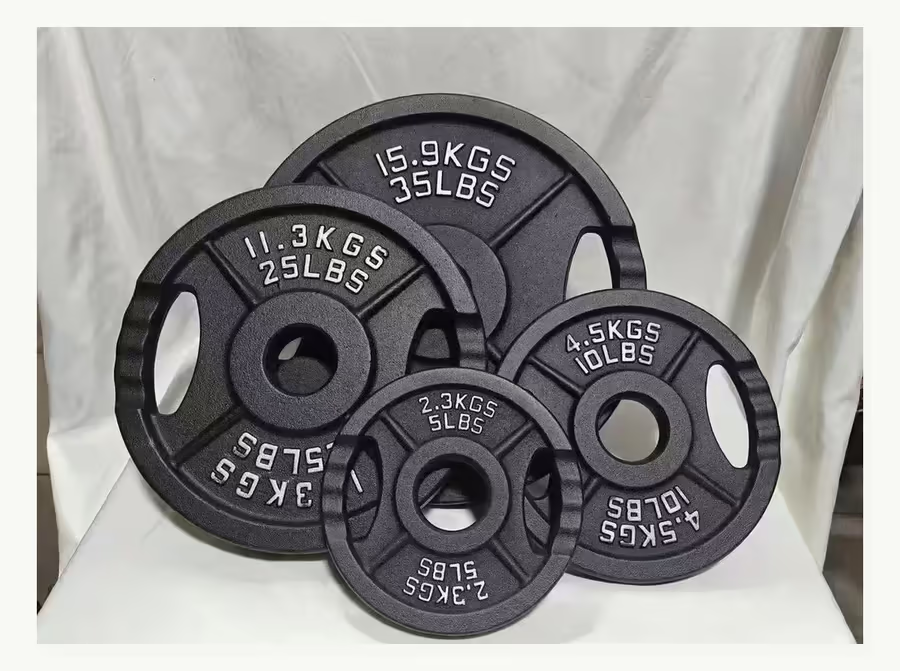
Cast iron has a long commercial history and can provide a relatively thin plate at a competitive cost. It suits plate-loaded machines, general strength zones, home and institutional channels, and buyers who prefer a traditional appearance. With no thick resilient coating, the design may offer favorable storage density.
The exposed finish requires attention. Paint or powder coating can chip where plates contact racks, bars, floors, or each other. Unprotected areas may corrode in humid or coastal conditions. Casting texture, sharp flash, center-hole accuracy, lettering, weight tolerance, and surface coverage should be checked on samples and during inspection.
Cast iron does not mean every plate has identical density or profile. Request a dimension table for each weight. Define acceptable cosmetic variation and a corrosion-protection expectation that fits the market. Packaging must prevent metal surfaces from rubbing during transport.
Rubber-coated plates: strengths and tradeoffs
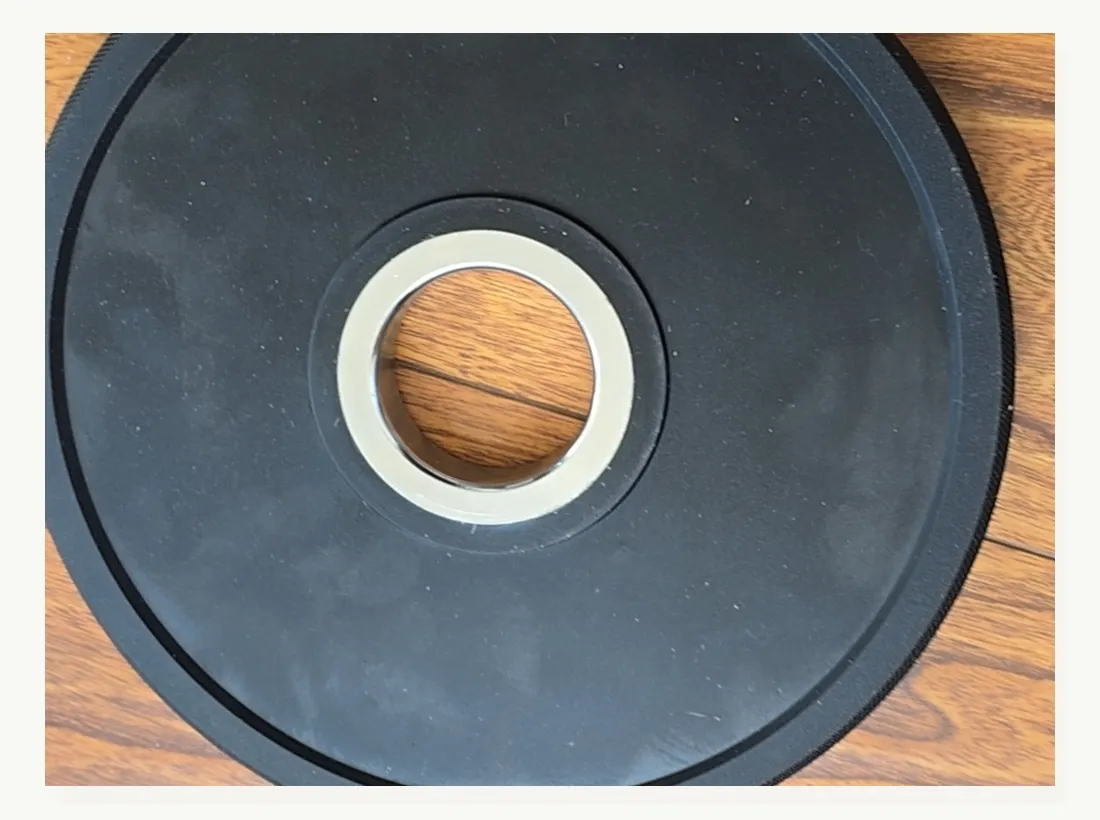
Rubber-coated plates are widely used in commercial gyms because the exterior can improve handling and reduce direct metal contact with racks and nearby equipment. Integrated grip openings are common. A dark or colored coating can create a coordinated product family and provide space for molded or printed branding.
Rubber formulations vary. Buyers should discuss odor expectations, surface feel, hardness, color, blooming or surface film, abrasion, adhesion, and marking resistance. A generic “low odor” claim needs an agreed evaluation method and reference sample. Ventilation and unpacking procedures also affect the initial experience.
Inspect the transition between coating and center insert, grip openings, seams, trim, lettering, and exposed core areas. Ask how the core is prepared before molding and how adhesion or impact performance is evaluated. Rubber coating reduces direct contact; it does not make a conventional plate suitable for repeated dropping like a bumper plate.
Urethane plates: strengths and tradeoffs
Urethane is commonly positioned above rubber for premium commercial and branded programs. Depending on formulation and construction, it can support a clean molded finish, detailed markings, stable colors, and resistance to certain cosmetic wear. It is frequently selected for executive clubs, hotels, performance facilities, and higher-value retail ranges.
The premium label must be supported by product-specific evidence. “Urethane” covers different formulations, hardness levels, pigments, additives, molding systems, and coating thicknesses. Request technical declarations relevant to the target market and verify appearance, adhesion, abrasion, staining, and environmental behavior through agreed tests.
Urethane generally increases unit cost and can raise the financial impact of rejects. Color matching, logo tooling, mold condition, insert preparation, and packaging therefore deserve a stricter approval process. Establish master color samples and clear cosmetic limits before mass production.
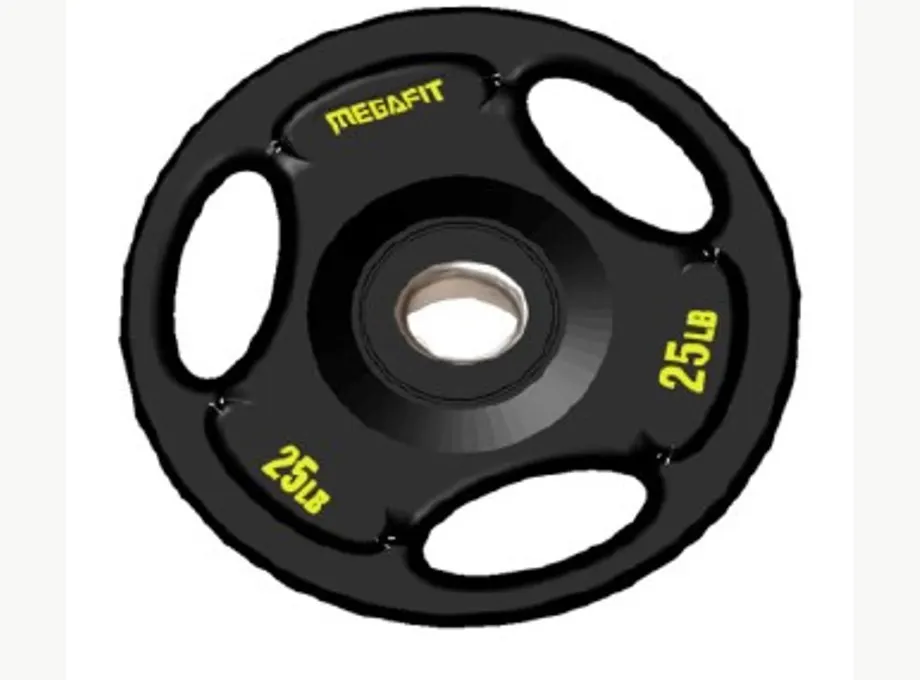
Side-by-side commercial comparison
| Buying factor | Cast iron | Rubber-coated | Urethane |
|---|---|---|---|
| Typical positioning | Value/traditional | Mainstream commercial | Premium commercial |
| Exterior | Finished metal | Resilient rubber coating | Molded urethane coating |
| Handling | Model-dependent | Often uses grip openings | Often uses refined grip designs |
| Noise/contact | More metal contact | Reduced direct metal contact | Reduced direct metal contact |
| Odor review | Usually limited to finish | Important formulation issue | Still model-specific |
| Branding | Cast or printed marks | Molded, inlaid, or printed | Detailed molded/inlaid options |
| Cosmetic risk | Chips and corrosion | Scuffs, bloom, trim, adhesion | Color, surface, adhesion, premium finish |
| Cost | Often lowest | Mid-range | Often highest |
Weight tolerance and dimensional control
Material does not determine accuracy. Specify an allowable nominal-weight tolerance for the exact range and define the measurement method. Confirm diameter, thickness, center hole, insert fit, grip opening, and symmetry. A premium coating cannot compensate for an out-of-tolerance core.
For plate-loaded machines, center fit and profile affect ease of loading and capacity. For storage trees, verify peg diameter and usable length. For retail pairs, appearance and weight matching may be important. Decide whether results are checked individually or by sampling and retain records tied to batch numbers.
Noise, floor protection, and misuse
Coated plates can reduce hard metal contact and feel more suitable in shared commercial spaces, but they do not eliminate impact or protect an unsuitable floor. Conventional grip plates should not be marketed as bumper plates unless their design and instructions support that use. Facility rules must distinguish controlled placement from dropping.
Evaluate the complete system: plate, bar or machine, rack, storage, flooring, acoustics, and user behavior. Edge geometry and grip access may be more important to daily handling than the coating category alone.
Odor, surface, and cleaning expectations
Rubber odor is a frequent procurement concern, especially for hotels, studios, apartments, and air-conditioned facilities. Define a reference, unpacking period, ventilation condition, and pass/fail approach before ordering. Do not promise “odor free” without a defensible basis.
Ask which cleaning agents are permitted. Strong solvents or incompatible disinfectants may change gloss, color, print, or surface feel. Provide customers with a cleaning guide and test any local chemical on a small area. Cast iron finishes also need compatible cleaning and dry storage to limit corrosion.
Private label and product architecture
Cast marks can be economical at scale but require tooling. Printed logos are flexible but need abrasion and adhesion checks. Molded, debossed, embossed, or inlaid rubber and urethane branding can look integrated, yet adds color, tooling, placement, and inspection decisions.
Keep the weight number highly legible and avoid an overcrowded face. Approve artwork on the physical sample, not only a digital rendering. For a family spanning plates, dumbbells, and racks, establish common color, typography, logo size, and claims.
Landed cost and replacement strategy
Compare more than ex-factory unit price. Include tooling, packaging, freight density, duty, inspection, damage allowance, rejects, warranty handling, storage, and replacement stock. Cast iron may have a lower starting cost but needs protection from finish damage. Premium urethane may support higher selling price but creates higher inventory exposure.
Ask whether the supplier can reproduce color, markings, profile, and center design in later orders. Record approved samples, color references, drawings, and batch data. A replacement that looks visibly different can undermine a commercial installation.
Buyer checklist
- Define use, facility type, channel, price position, and expected service life.
- Request core material, coating system, dimensions, and weight tolerance.
- Approve physical samples for odor, feel, color, markings, center fit, and handling.
- Specify cosmetic limits for chips, scuffs, seams, trim, bloom, and exposed metal.
- Confirm test methods for adhesion, abrasion, impact, corrosion, or chemicals where relevant.
- Validate logo process, master artwork, master color, and weight readability.
- Review packaging for rubbing, moisture, deformation, and mixed-pair errors.
- Agree inspection sampling, records, nonconformity handling, and warranty scope.
- Calculate landed cost and maintain replacement stock by model and batch.
Frequently Asked Questions
Are urethane plates always better than rubber plates?
No. Urethane is often positioned as premium, but suitability depends on formulation, construction, testing, price, use, and supplier consistency.
Can rubber-coated grip plates be dropped?
Do not assume so. Follow the exact product instructions. A coated conventional plate is not automatically a bumper plate designed for controlled drops.
Which material has the least odor?
Cast iron avoids a thick rubber coating, while rubber and urethane results vary by formulation. Approve a sample using an agreed evaluation condition.
Which plate is best for a hotel gym?
Hotels often prioritize appearance, handling, odor, noise, cleaning, and replacement support. A well-specified rubber or urethane model may fit, but budget and operating conditions decide.
What should an importer inspect before shipment?
Check quantity, weight, dimensions, center fit, coating or finish, color, logos, cosmetic limits, packaging, labels, and agreed performance evidence.
Conclusion
Cast iron, rubber, and urethane are starting points for a specification, not automatic quality grades. Match the product to operating conditions and market position, then control the core, surface, dimensions, branding, inspection, and replacement plan. Compare the commercial weight plate range, review manufacturing capabilities, explore OEM factory evaluation, and request model-specific plate data.