A distributor should approve a cable attachment SKU only when its commercial identity, supplier model and revision, connection geometry, intended machine context, exclusions, and verification record are tied together. A product name or photograph can support discovery, but neither is sufficient evidence that a replacement will connect, move, clear adjacent parts, or remain traceable after the next reorder.
One catalogue name can hide several purchasing decisions
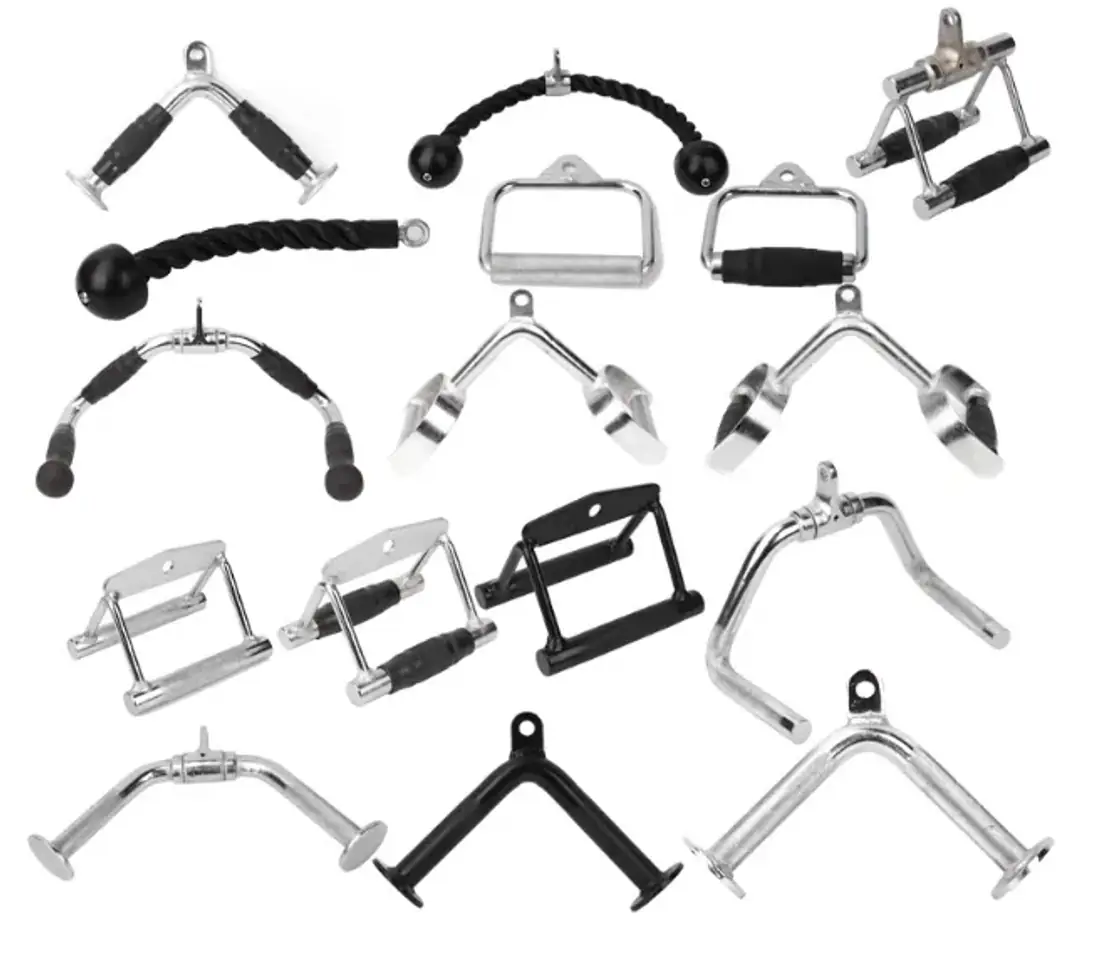
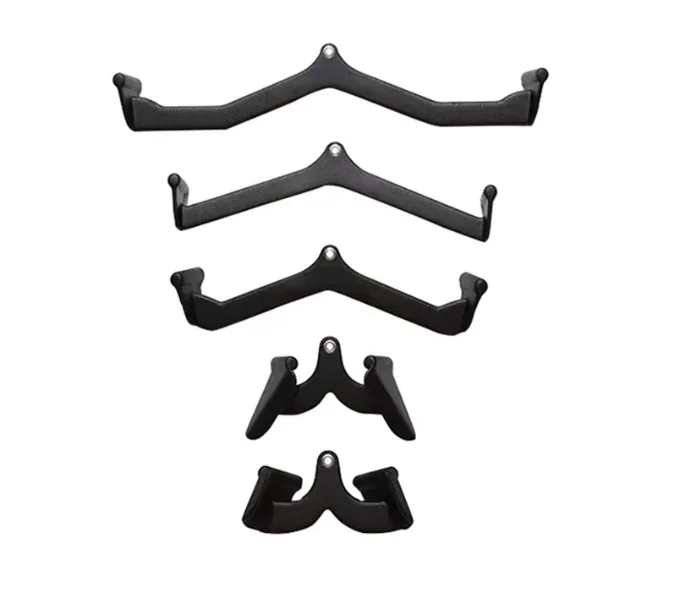
Terms such as lat bar and pulldown handle, row handle, stirrup handle, and triceps rope describe a use pattern, not a controlled interface. Two attachments sold under the same name may differ at the connecting eye, swivel, grip position, overall envelope, surface finish, or marking. Those differences can affect whether the attachment reaches the connector, rotates without interference, feels consistent beside the installed range, and can be identified when a customer orders one replacement.
For a distributor, the compatibility record is therefore not a universal fit claim. It is a boundary around what has actually been checked. The useful question is not “Does this fit cable machines?” but “Which supplier revision was evaluated with which named machine or connector condition, what evidence was retained, and which combinations remain unapproved?”
Separate sales identity from physical compatibility
Keep the distributor SKU stable as the commercial record, then link it to the supplier model code and revision that were actually purchased. If a GTIN is assigned, apply it according to the organization’s identification rules; the GS1 GTIN Management Standard explains when trade-item changes may require a new identifier. A GTIN identifies a trade item, but it does not replace a drawing revision, approved sample reference, or a compatibility decision.
The physical record should describe the interface without assuming that one dimension proves fit. Record the connector type and the geometry that governs engagement, then add the cable attachment envelope, rotation or articulation features, grip layout, and any contact point that could foul the machine. Units, measurement method, source document, and revision belong beside each value. Marketing names can remain searchable aliases, but they should not be the acceptance key.
| Register field | Evidence to retain | Decision it supports |
|---|---|---|
| Distributor identity | Distributor SKU, GTIN when used, selling name and market | Which trade item sales and service teams are discussing |
| Supply identity | Supplier model, drawing or specification revision, order and sample reference | Whether a reorder is the same controlled version |
| Connection interface | Named features, relevant dimensions, units, method and dated record | Whether the attachment can engage the intended connector |
| Use envelope | Overall geometry, movement or clearance observations, machine context | Whether connected movement is free from observed interference |
| Approval boundary | Confirmed pairings, exclusions, evidence owner and review date | Where the distributor may and may not make a compatibility statement |
Build an evidence ladder instead of a yes-or-no column
Use evidence levels so that an unverified lead cannot silently become an approved replacement. A catalogue match may justify requesting data. A supplier document can support comparison when its model and revision are identifiable. A retained sample measurement can confirm the sample in hand; the OEM sample approval process should preserve its identity and decision boundary. A controlled fit and movement check on the named equipment can support a specific pairing. Each level answers a different question, so the register should show the highest completed level and link to the record behind it.
A fit check should start with identification and condition, continue through connection and clearance, and end with a documented decision by the responsible party. The exact check must follow the intended equipment and competent safety process; this article does not prescribe a universal load test or declare any attachment interchangeable. ISO 20957-1 provides general safety requirements and test methods for stationary training equipment, but citing the standard is not evidence that a particular accessory-machine combination conforms or is safe.
Make exclusions visible to sales, receiving, and service
Compatibility data fails operationally when it lives only in a buyer’s inbox. Sales needs a customer-facing boundary: confirmed, conditional, or not evaluated. Receiving needs the supplier model, revision, marking, and selected characteristics that distinguish the approved supply. Service needs the installed machine identifier, the attachment SKU, and the evidence reference used for the replacement decision. Give each team the same status vocabulary while limiting access to technical files as appropriate.
Treat a supplier change as a review trigger, not proof of nonconformity and not an automatic approval. Changes to the connecting feature, material or construction, swivel arrangement, grip geometry, coating, marking, packaging identification, or supplier model code can affect different parts of the decision. The register owner should decide which evidence must be refreshed before the changed item is released under the existing distributor SKU.
- Quarantine an item when its supplier identity or revision cannot be reconciled with the approved record.
- Do not convert visual similarity, a shared product name, or a connector that closes into a general compatibility claim.
- Retain photographs only as supporting identification; pair them with model, revision, date, and the relevant dimensional or functional record.
- Record negative results and excluded pairings so another team does not repeat the same assumption.
Use the next reorder as the control test
The register proves its value when the original buyer is not present. Before releasing a repeat order, compare the requested distributor SKU with the latest approved supplier identity, open change notices, evidence level, and customer-specific exclusions. If those records do not reconcile, pause the compatibility statement and obtain the missing evidence. This small release gate prevents an old product name from carrying an unreviewed revision into sales, receiving, and after-sales service.
Questions distributors ask before release
Should one attachment SKU list every cable machine it might fit?
No. List only machine or connector contexts supported by retained evidence, and keep unknown or excluded combinations visible. An open-ended “universal” field is difficult to maintain and encourages sales claims beyond the approved boundary.
Can an approved sample replace the compatibility register?
No. A sample is one evidence object. The register connects that sample to the distributor SKU, supplier identity and revision, evaluated context, decision owner, and future reorder trigger.
Source notes
The references below define identification or safety context and show the market catalogue pattern. They do not certify a specific ChinaFreeWeight attachment-machine pairing.
Turn the register into a supplier data request
If your team already has distributor SKUs and named machine contexts, share those records instead of asking whether a handle is universal. ChinaFreeWeight can respond with available product identity, revision, drawing or measurement evidence, and unresolved questions for your approval workflow.
Request a model-specific compatibility data pack