Introduction
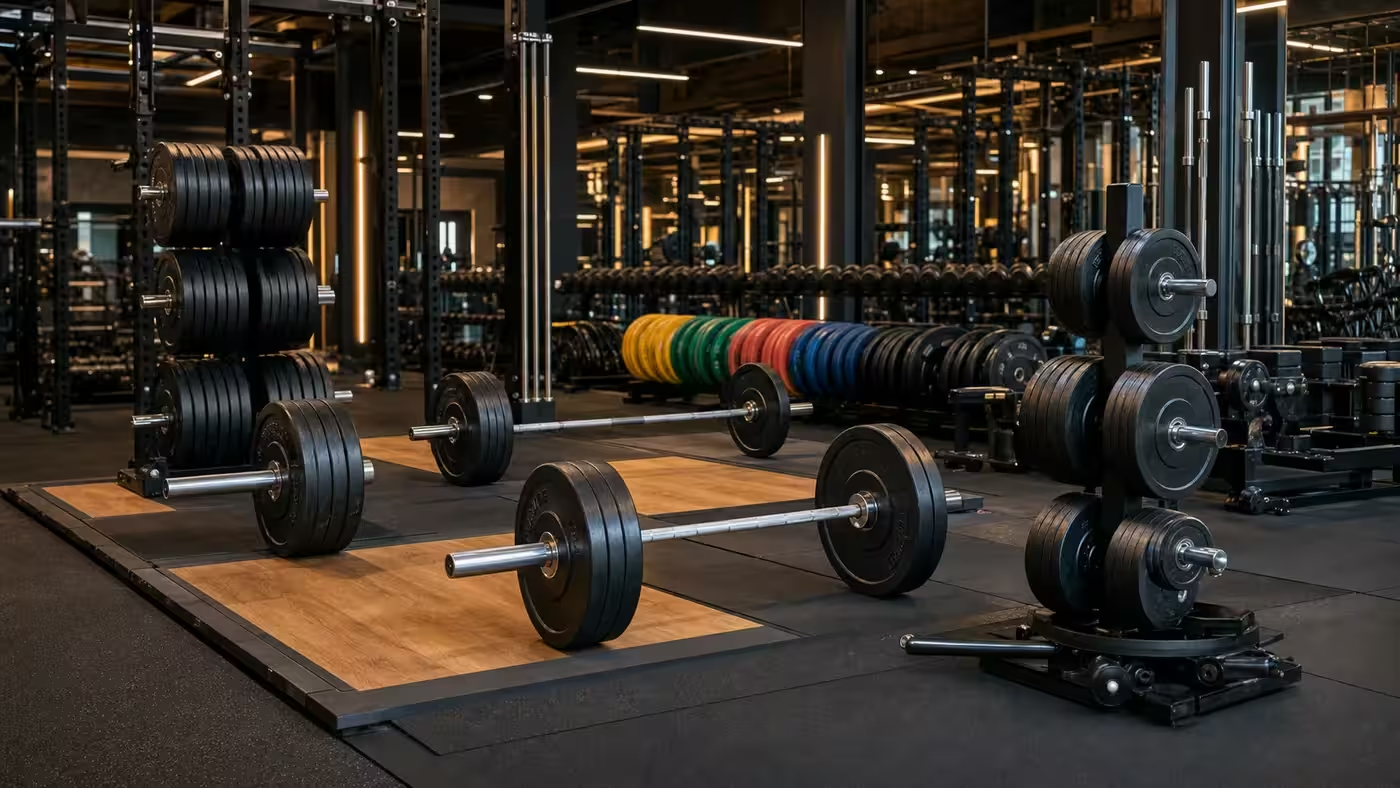
Weight plates and bumper plates may look similar to a new buyer, but they serve different training environments, user expectations, and sourcing strategies. For a gym project, distributor, or OEM brand, choosing the right plate type affects durability, training safety, floor protection, product positioning, packaging, and container planning.
Many overseas buyers ask a simple question: "Should I buy weight plates or bumper plates?" The real answer depends on the application. A commercial gym strength area may require rubber-coated Olympic weight plates for plate-loaded machines and general barbell work. A weightlifting area may need bumper plates that can handle repeated drops on platforms. A distributor may need both categories to serve different customers.
This article explains the difference between weight plates and bumper plates from a B2B sourcing perspective. It covers product application, materials, durability, markings, OEM options, factory quality control, packaging, and shipment inspection.
1. What Are Standard Weight Plates?
Standard commercial weight plates are used for barbell training, plate-loaded machines, strength areas, and general free weight zones. They may be made from cast iron, rubber-coated iron, urethane-coated material, or other structures depending on the market level.
Common types include:
- Cast iron plates
- Rubber-coated weight plates
- Grip plates
- Olympic weight plates
- Chrome or electroplated plates
- Machine plates for plate-loaded equipment
For commercial gym applications, rubber-coated or grip-style Olympic plates are common because they are easier to handle and more floor-friendly than bare cast iron. Plates with grip holes help members move the plates safely around racks and machines.
Standard weight plates are usually not designed for repeated overhead dropping. They can be durable for normal barbell and machine use, but if a facility has Olympic lifting platforms, bumper plates are usually more suitable.
2. What Are Bumper Plates?
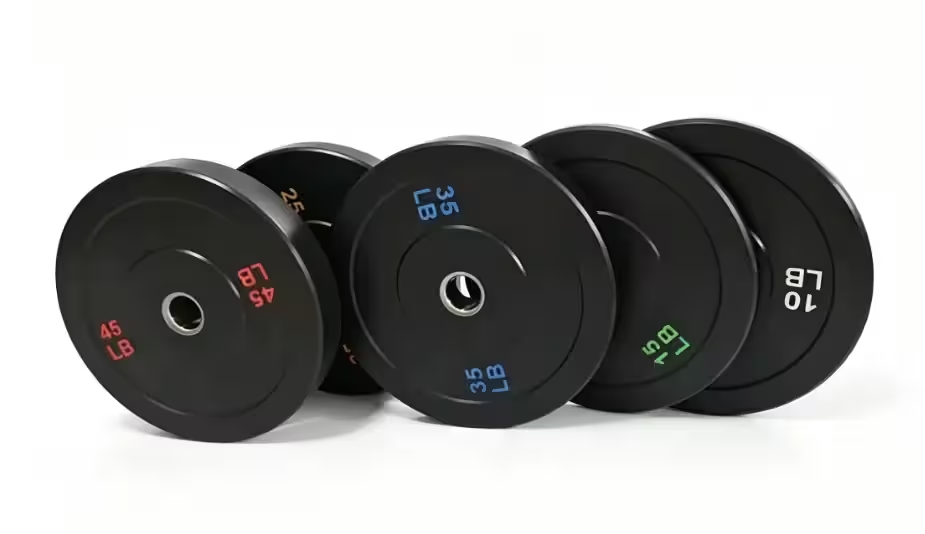
Bumper plates are designed for weightlifting, functional training, and training areas where the barbell may be dropped from height. A typical bumper plate has a rubber body and a center insert that fits an Olympic barbell sleeve.
Bumper plates are often used in:
- Weightlifting platforms
- Functional training zones
- Cross-training facilities
- School strength rooms
- Sports performance centers
- Commercial gyms with Olympic lifting areas
The main purpose of a bumper plate is to absorb impact and protect the floor, barbell, and user environment. This does not mean all bumper plates have the same durability. Buyers should evaluate rubber quality, insert fit, bounce behavior, thickness, odor level, and long-term performance.
3. Application Comparison: Where Each Plate Works Best
Strength Machines and General Gym Areas
For plate-loaded machines and general barbell training, standard weight plates are usually practical. They are often easier to store and may have thinner profiles than bumper plates. This allows more plates to fit on machines and storage pegs.
Recommended product direction:
- Rubber-coated Olympic plates
- Grip plates
- Cast iron plates for budget markets
- Chrome or electroplated plates for premium presentation
Olympic Lifting and Functional Training
For repeated drops, bumper plates are the better choice. A training area with platforms should use plates designed to absorb impact. Standard plates may damage floors, machines, or the plates themselves if dropped repeatedly.
Recommended product direction:
- Black bumper plates
- Color bumper plates
- Competition-style bumper plates
- Branded bumper plates for OEM programs
Boutique Studios and Premium Gyms
Premium gyms may care more about visual consistency and customer perception. Chrome or electroplated plates can create a high-end look. Urethane-coated plates may also be considered for premium markets, depending on budget and product positioning.
Distributors and Dealers
Dealers often need a wider product matrix. A strong free weight catalog may include rubber-coated plates, bumper plates, dumbbells, bars, racks, and accessories. This allows the distributor to sell to commercial gyms, training studios, retailers, and project buyers.
4. Material and Durability Considerations
Rubber-Coated Weight Plates
Rubber-coated plates are common in commercial gyms. They provide better surface protection than bare iron plates and reduce noise during handling. Buyers should check:
- Rubber surface consistency
- Smell level
- Weight marking clarity
- Center hole fit
- Grip handle smoothness
- Coating adhesion
For B2B orders, rubber quality matters because low-grade rubber can create odor problems or surface issues. The buyer should request sample confirmation if selling into a market with strict customer expectations.
Cast Iron Plates
Cast iron plates can be cost-effective and suitable for budget markets. However, they may produce more noise and may be less floor-friendly. Surface finish, paint quality, and weight tolerance should be checked carefully.
Bumper Plate Rubber
Bumper plates require impact performance. Buyers should ask about rubber hardness, bounce, insert stability, and durability testing. A bumper plate that looks good in a photo may not perform well under repeated use if the insert or rubber compound is poor.
Chrome or Electroplated Plates
Chrome or electroplated plates are often used for premium projects and high-end showrooms. They can create a strong visual impression, but surface protection and packaging are very important. Scratches during shipment can reduce product value.
5. Thickness, Diameter, and Storage Planning
Plate thickness affects gym layout. Bumper plates are usually thicker than standard weight plates because they need impact absorption. This can affect bar loading capacity and storage rack design.
Buyers should consider:
- How many plates need to fit on one barbell
- Storage rack capacity
- Plate tree peg length
- Machine loading space
- Platform area design
- Visual consistency across weight sizes
For gym projects, installation preparation should include rack layout, plate storage, barbell storage, and traffic flow. A beautiful free weight area can become messy if storage capacity is insufficient.
6. Weight Markings and KG/LB Systems
International buyers should decide whether to use KG, LB, or dual markings. The decision depends on the target market.
- Europe, Asia, and many global markets often use KG.
- USA and some markets prefer LB.
- Dual markings can help distributors serve several regions.
Clear markings are important for user experience and safety. The marking should be visible from a normal distance and should not wear off quickly. For OEM weight plates, logo size and placement should not reduce weight readability.
7. OEM and Private Label Options
Weight plates and bumper plates are strong categories for private label brands. OEM options may include:
- Custom logo
- Custom color
- Molded lettering
- Printed markings
- Packaging design
- Plate set combinations
- Retail labels
- Catalog support
Private label weight plates can help distributors build brand recognition. However, the buyer should confirm whether the logo method is suitable for the product type. Molded logos may require tooling, while printed logos may be faster but need durability confirmation.
For bumper plates, color coding is common. Buyers should confirm color consistency, marking accuracy, and packaging protection before mass production.
8. Factory Quality Control for Plates
A reliable weight plates factory should have a practical QC process. For B2B buyers, inspection should focus on both product performance and shipment readiness.
QC points include:
- Weight tolerance
- Diameter and center hole fit
- Surface finish
- Rubber coating or paint quality
- Logo and marking clarity
- Insert stability for bumper plates
- Drop or durability testing where applicable
- Packaging strength
- Random carton inspection
Factory testing should be documented when possible. Buyers can request photos or videos of inspection, especially for OEM orders or new product development.
9. Packaging and Container Shipment
Weight plates are heavy, so packaging is not only about appearance. It is about damage prevention and efficient loading.
Packaging considerations:
- Carton strength
- Inner protection
- Pallet arrangement
- Weight per carton
- Carton label clarity
- Container loading plan
- Moisture protection where needed
For mixed container orders, the buyer may combine plates with dumbbells, racks, bars, and accessories. In this case, shipment inspection should confirm product quantity, carton condition, loading sequence, and product protection.
10. How to Decide: Weight Plates or Bumper Plates?
Use this simple decision framework:
- Choose standard weight plates for plate-loaded machines, general barbell areas, and cost-effective commercial strength zones.
- Choose bumper plates for Olympic lifting, functional training, sports performance, and areas where dropping is expected.
- Choose chrome or electroplated plates for premium presentation and showrooms.
- Choose rubber-coated grip plates for broad commercial gym use.
- Choose both categories if you are a distributor building a complete free weight catalog.
The best choice depends on training environment, user behavior, market price level, and brand positioning.
11. Recommended Plate Configurations by Buyer Type
Different buyers should not source plates with the same strategy. A commercial gym project, a distributor, and an OEM retail brand may all buy weight plates, but the required product mix can be very different.
For Commercial Gym Openings
A new commercial gym should usually prioritize a practical product mix before adding premium options. A common approach is to use rubber-coated Olympic plates for general strength machines and barbell zones, then add bumper plates only for platform areas. This helps the gym control budget while still supporting different training styles.
The buyer should also plan storage from the beginning. Plate trees, wall storage, squat rack pegs, and platform storage should be matched with the total quantity of plates. Many gyms buy enough plates but underestimate storage. The result is a messy free weight area that looks less professional after installation.
For Fitness Equipment Distributors
Distributors often need a wider catalog because their customers include commercial gyms, home gym retailers, studios, and project contractors. A distributor may choose rubber-coated grip plates as a standard product, black bumper plates as a functional training product, and chrome or electroplated plates as a premium display product.
For distributors, repeat order stability is important. Before choosing a new weight plates supplier, ask whether the factory can keep the same finish, logo position, color, and packaging across future batches. Consistency matters when dealers sell the same product line over several seasons.
For OEM and Private Label Brands
OEM buyers should think beyond one plate order. The plate design should fit the brand's dumbbells, bars, racks, and packaging. If the logo style, color system, and product finish are consistent, the brand looks more professional in catalogs and showrooms.
Private label weight plates should also be checked for photo quality. Buyers selling online need products that photograph well. A plate that looks acceptable in a warehouse may not look strong enough on a website or marketplace listing. Sample photography can help confirm whether the finish and markings support the brand image.
12. Buyer Checklist Before Confirming a Plate Order
Before confirming mass production, prepare a checklist with the factory. This is especially useful when the order includes OEM logos, multiple plate types, or mixed container shipment.
Recommended checklist:
- Confirm product type and material
- Confirm KG or LB markings
- Confirm color and logo artwork
- Confirm weight range and quantity per size
- Confirm center hole specification
- Confirm packaging method
- Confirm carton marks and pallet requirements
- Confirm sample approval photos
- Confirm production lead time
- Confirm shipment inspection requirements
This checklist does not need to be complicated. Its purpose is to reduce misunderstanding. Many sourcing problems happen because the buyer and factory assume the same detail but never write it down. A clear checklist helps both sides confirm the order before production begins.
Mid-Article CTA
Planning a gym plate order or distributor product line? Send your target market, plate type, weight range, and logo requirement to PowerBaseFit. We can help compare suitable options for your project.
Ask for Plate OptionsFAQ
Are bumper plates better than weight plates?
Not always. Bumper plates are better for lifting areas where dropping is expected. Standard weight plates are often better for plate-loaded machines, general gym use, and efficient storage.
Can I customize weight plates with my logo?
Yes. OEM weight plates can include custom logos, colors, molded markings, printed markings, packaging, and private label options. The method depends on product type and order quantity.
What plate type is best for commercial gyms?
Many commercial gyms use rubber-coated Olympic plates or grip plates for general strength areas and bumper plates for lifting platforms or functional training zones.
How should weight plates be packed for export?
Heavy plates need strong cartons, inner protection, clear labels, and proper pallet or container loading. Packaging should be confirmed before shipment.
What should I check before mass production?
Check sample weight accuracy, diameter, center hole fit, surface finish, logo clarity, packaging, and the expected product application.
Conclusion
Weight plates and bumper plates are both important free weight categories, but they solve different problems. Standard weight plates are practical for machines and general strength areas, while bumper plates are designed for impact and lifting platforms.
For B2B buyers, the right sourcing decision should include product application, material, durability, markings, OEM requirements, packaging, and shipment inspection. A clear product plan helps the factory quote accurately and helps the buyer avoid unnecessary cost.
Final CTA
If you are sourcing weight plates or bumper plates for a gym project, distribution business, or private label brand, send your product list to PowerBaseFit. We can help prepare a factory quotation and product recommendation.
Get a Weight Plate Quote